Tech Dependency: When Control Fades Into Reliance
advertisement
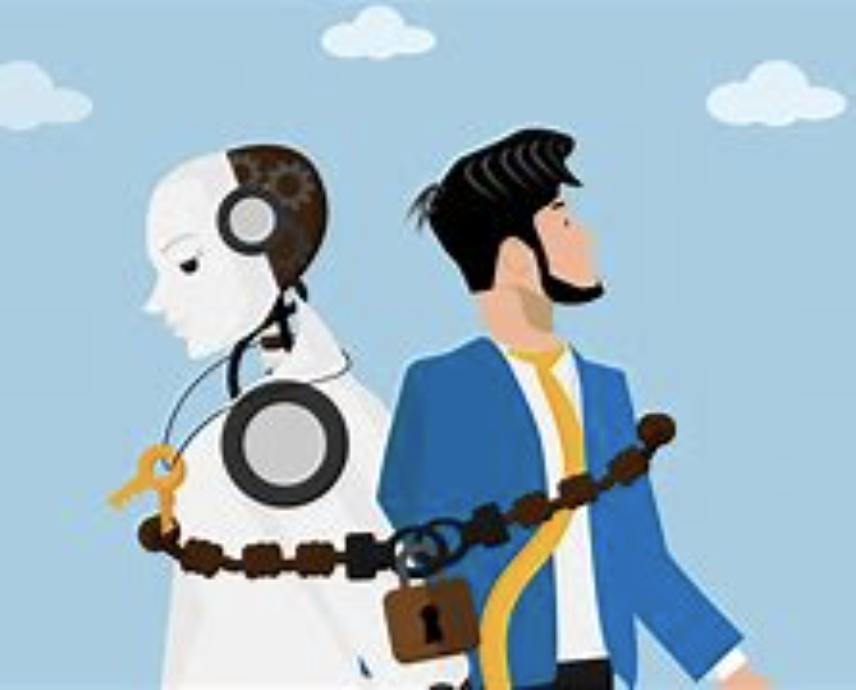
Individuals who curate their lives with high-end technology frequently miss a subtle change: dependence has quietly supplanted expertise. For those who have been using technology as a source of empowerment, the distinction between thoughtful application and excessive reliance becomes indistinct in unnoticed ways—diminishing essential skills, constricting independence, and tying lifestyles to systems beyond personal influence. The core issue isn’t simply whether we depend on technology, but rather if this dependence has encroached upon our sense of agency, even among those who possess the resources to "own" the latest innovations.
Ecosystem Entrapment as Quiet Dependence
Luxury tech environments, ranging from customized smart homes to comprehensive wealth management systems, aim for integration—yet they foster unavoidable entrapment. Wealthy users often find it challenging to change providers without causing interruptions in daily activities, sacrificing data portability for ease of use. What may seem like personalization morphs into a prison, as proprietary frameworks make other tools incompatible, compelling continued dependence on a singular ecosystem.
Judgment Decline in AI-Aided Selections
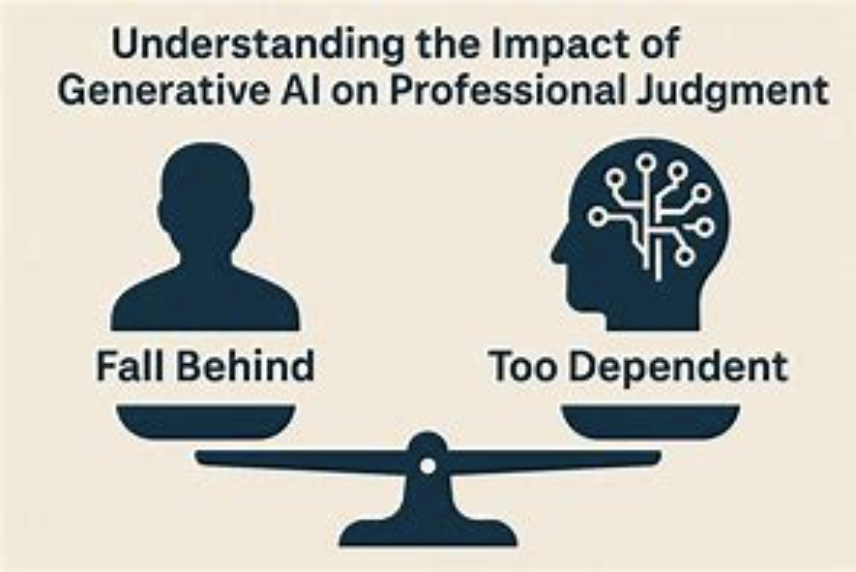
AI-powered advisors, including wealth managers and lifestyle curators, carefully refine selections—but progressively, they diminish the capacity to make independent decisions. Wealthy individuals increasingly delegate high-stakes choices to algorithms, losing their connection to the instincts and contextual knowledge fundamental to superior decision-making. This dependency transforms “informed decisions” into a passive acceptance of tech-generated results.
Privacy Compromises of Integrated Dependence
The smooth tech experiences prized by discerning users require relentless data sharing—fostering a reliance on providers to protect sensitive information. High-end devices and services gather detailed behavioral, financial, and personal information to operate effectively, leaving users exposed in case of system failure or trust breaches. This dependence forces a choice: compromise privacy for convenience, or sacrifice seamless functionality to maintain control.
Skill Deterioration in Automated Luxury
Automation removes even the subtle skills essential for self-sufficiency. Smart properties oversee security, AI manages communications, and predictive tools foresee needs—resulting in users being unprepared when technology fails. A wealthy individual may struggle to navigate basic systems without automated assistance, turning luxurious convenience into a deficit in practical capability that wealth cannot instantly remedy.
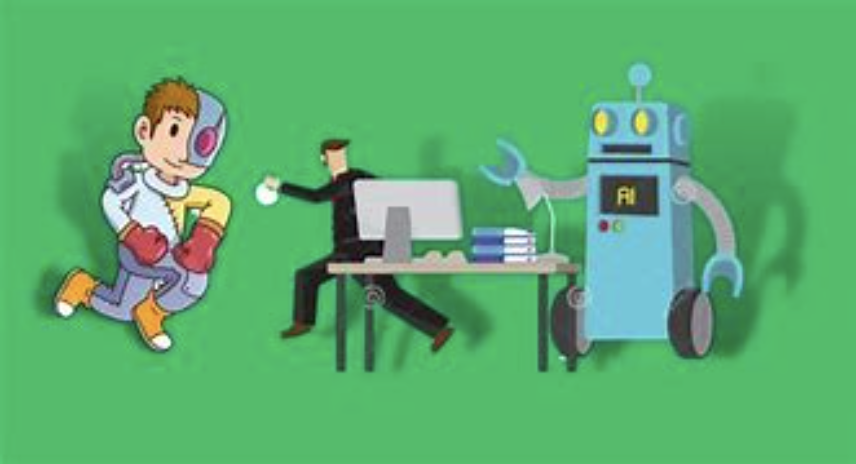
High-end technology not only simplifies life—it shapes emotional experiences. Homes that adapt to mood, AI-produced art, and personalized content feeds become central to emotional health, cultivating dependence on technology for mood regulation and satisfaction. When these systems malfunction or disconnect, the emotional fallout extends beyond mere inconvenience, exposing a delicate reliance on non-human support.
Preparedness Weakness in Tech-Dependent Lifestyles
Excessive reliance on technology creates vulnerabilities in contingency strategies. Wealthy homes and businesses frequently lack backup systems for technological failures, assuming that premium tools are always reliable. A single outage can halt operations, disrupt security, or sever access to assets—revealing the vulnerability of a lifestyle founded on complete trust in technology.
Over-dependence isn't merely about excessive use of tech; it's about relinquishing control to it. For those with the ability to choose, the forward path involves a deliberate equilibrium—utilizing the advantages of technology while maintaining essential skills, independence, and contingency plans. Genuine mastery entails employing technology without becoming enslaved by it.
(Writer:Haicy)
Related Articles