Human Enhancement: Ethics & Untapped Opportunities
advertisement
Human enhancement technology has progressed beyond merely aiding medical recovery; it is now advancing into a space of deliberate enhancement, offering distinct chances for insightful individuals while igniting significant ethical discussions. This convergence of progress and ethics transforms our understanding of human capability, striving for a balance between advancement and intention for those who can engage with pioneering technologies.

Ethics of Epigenetic Enhancement
Tailored epigenetic treatments that modify gene activity without changing DNA provide specific anti-aging and performance improvements. High-end users seek these therapies for cellular rejuvenation, yet ethical concerns persist: Does adjusting epigenetic parameters compromise biological authenticity, or does it represent a natural progression of personal care?
Possibilities of Sensory Augmentation
Advanced sensory implants allow for perceptions beyond typical human limits, such as sensing infrared or ultrasonic waves. For those who enjoy luxury explorations and creative pursuits, this opens up novel experiences of the environment, transforming enhancement into an artistic and adventurous edge rather than merely a technological curiosity.
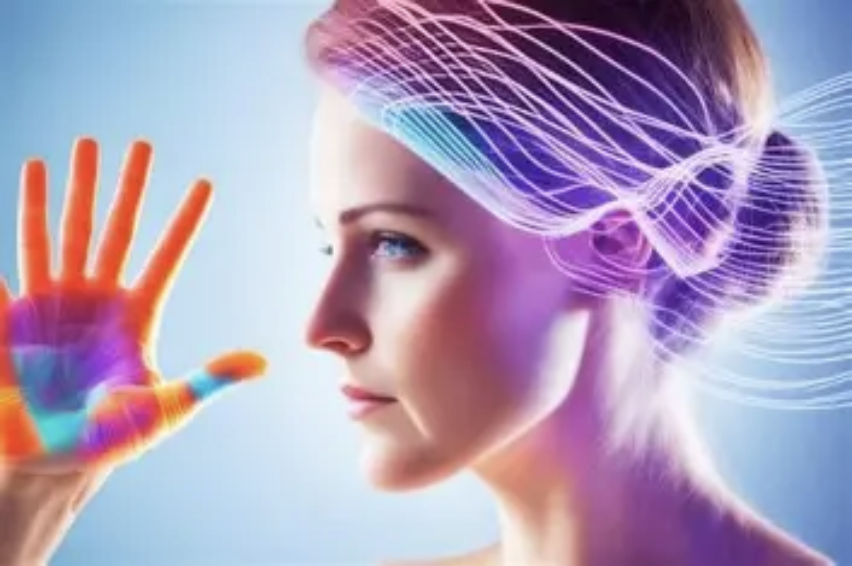
Picture affluent adventurers traversing moonlit forests by recognizing the faint infrared signals of animals, or innovative creators designing interactive exhibits that transform ultrasonic noises into colorful, tactile auditory experiences. These enhancements do more than broaden sensory boundaries—they transform our interactions with the environment, converting each encounter into a personalized expedition that merges advanced technology with the excitement of exploring new perceptions.
Neuroplasticity Enhancements: Freedom vs. Pressure
Drugs that promote neuroplasticity speed up learning and memory capabilities. Wealthy individuals utilize them to remain competitive in their fields, yet ethical considerations urge a thoughtful discussion: Is choosing to enhance oneself a matter of personal autonomy, or does it impose societal expectations to “keep pace” with improved colleagues?

This discussion becomes increasingly evident in highly competitive sectors such as finance, technological advancement, and prestigious educational institutions, where a perceived advantage in the pace of learning can lead to crucial career opportunities. Initially, what may be an individual decision to enhance one’s mental capabilities can swiftly transform into an implicit requirement, compelling even those who doubt such improvements to contemplate them merely to keep up with others.
Biocompatible Implants: Heritage and Self-Identity
Sophisticated biocompatible devices amalgamate with human tissue to improve physical strength or endurance. For individuals focusing on their legacy, these implants allow them to maintain vigorous lifestyles even in their later years—but they provoke inquiries about how much technological integration influences one's fundamental identity.
Disparities in Regenerative Enhancement Access
Tissues cultivated in laboratories can fix and substitute malfunctioning organs with enhanced performance. While this presents critical lifeline opportunities for the wealthy, it underscores ethical disparities: Should life-prolonging enhancements be limited to those who can pay, or should access be a right for all?
Governance of Conscious Enhancements
Progressive elites are establishing ethical standards for enhancements, promoting openness and setting limits. This forward-looking governance transforms ethical challenges into possibilities, ensuring that technology enriches humanity without undermining the principles that define our existence.
From tools that enhance mental capabilities and improve concentration ethically to advancements in physical enhancements that focus on safety rather than uncontrolled performance, these regulatory structures establish clear limits. They guarantee that intentional improvements serve the greater good, connecting modern technology with enduring principles of fairness and respect for human dignity.
(Writer:Wanny)
Related Articles