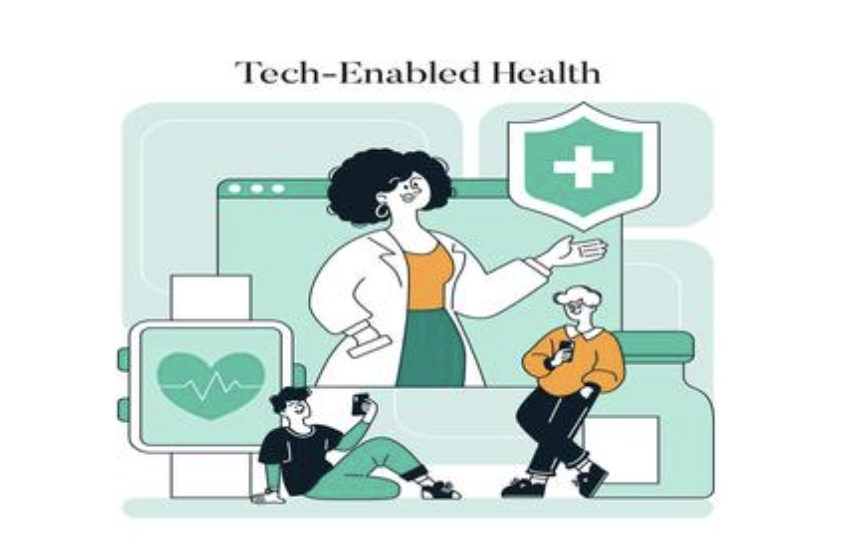
Smart Hospitals: The Future of Elite Healthcare
advertisement
For affluent individuals, the emergence of advanced hospitals goes beyond mere efficiency improvements—it represents a transformation in personalized, confidential, and precision-based healthcare. Unlike conventional telemedicine or robotic check-in processes, premier smart hospitals integrate state-of-the-art technology with luxurious service, fulfilling the wealthy's need for privacy, customized therapies, and comprehensive wellness integration. These advancements reshape healthcare into an anticipatory, individualized experience rather than just reactive care.
AI-Enhanced TCM Diagnostic Capabilities
Advanced hospitals combine artificial intelligence with traditional Chinese medicine to provide non-invasive diagnostics. Sophisticated algorithms examine tongue and facial characteristics, linking them to internal health issues to identify early-stage ailments like liver fibrosis or stomach lesions without the need for painful biopsies. For health-conscious elites, this blends ancient healing practices with technological precision, allowing for early detection without invasive methods.
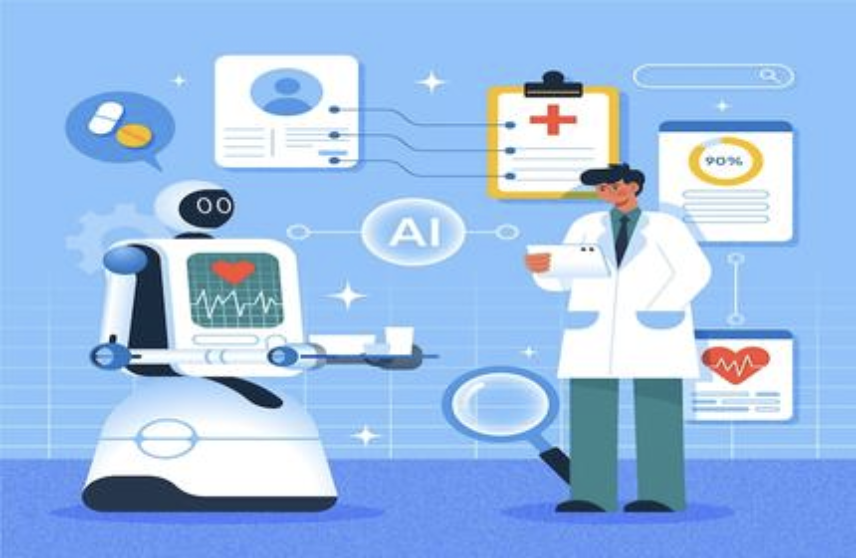
High-end smart wards emphasize privacy alongside safety concerns. Artificial intelligence sensors track vital statistics, sleep behaviors, and fall risks using privacy-conscious “stick-figure” motion sensing, thus avoiding the need for intrusive cameras. Smart screens beside each patient allow individuals to view reports, request personalized nutrition, and modify ambient settings—all secured to protect healthcare information. This transforms hospital stays into private, pleasant sanctuaries rather than sterile institutions.
Tailored AI Treatment Pathways
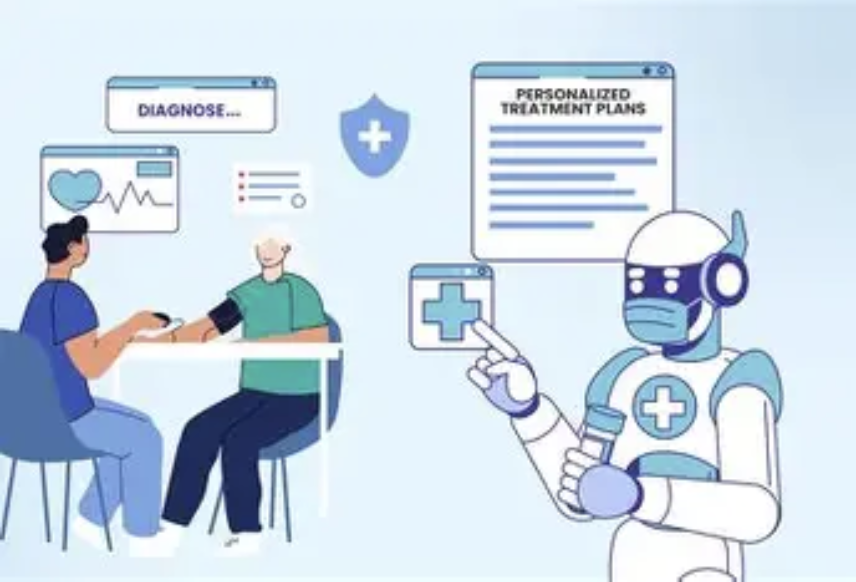
Top-tier smart hospitals leverage AI to design individualized treatment strategies. Algorithms synthesize genetic information, lifestyle choices, and health records to align patients with the most effective interventions, minimizing the trial-and-error process. For complicated illnesses such as cancer, AI delineates the best surgical options and anticipates treatment outcomes, ensuring that every strategy corresponds with the patient's specific biology and preferences.
Remote Accurate Post-Care Surveillance
Intelligent technology carries elite care beyond the confines of the hospital. Customized wearable devices transmit real-time vital statistics to a specialized medical team, with AI identifying minor deviations before they escalate. Following surgery, patients receive AI-assisted rehabilitation plans tailored to their rate of recovery, while online consultations with leading specialists remove the need for travel—perfect for frequently traveling affluent individuals.
Smart hospitals connect acute medical care with ongoing wellness initiatives. AI systems align treatment protocols with personal trainers, dietitians, and mental health counselors, forming a well-rounded ecosystem. For instance, dietary recommendations post-treatment are adjusted based on the effects of medications, and exercise plans are modified according to recovery status—guaranteeing that care extends beyond just healing toward long-term well-being.
AI-Driven Specialist Collaboration
Complex medical situations gain from AI-facilitated cooperation among specialists. Intelligent systems gather insights from global experts in real time, removing delays in consultations with leading doctors. For unusual health conditions, AI scans international medical resources to pinpoint effective treatments, ensuring that elite patients can access the highest quality care without administrative obstacles.
Family-Focused Care Coordination Solutions
Smart hospitals provide secure family portals to keep relatives updated. Authorized family members receive live updates related to treatment progress and recovery achievements, while AI supports virtual family meetings with healthcare providers. This ensures a balance between privacy and transparency, allowing high-net-worth patients to engage their support networks without revealing sensitive medical information.

The future of smart hospitals is rooted in their capability to merge technological accuracy with human-centered luxury. For wealthy individuals, these establishments are more than just healthcare facilities—they are personalized wellness centers that respect privacy, emphasize comfort, and provide care specifically designed for the most sophisticated needs.
(Writer:Lorik)
Related Articles