Tech Blockades: Disrupting Global Industry Chains
advertisement
In a landscape where worldwide industries intertwine with advanced technology, tech blockades have transitioned from tools of political strategy to quiet disruptors, altering markets and questioning established norms for even the wealthiest participants. Many overlook that these limitations do not just obstruct access to technology; they destabilize the intricate equilibrium of innovation, supply, and value that characterizes contemporary global trade.
As supply chains become more divided and technological cooperation halts, the luxury and high-end industry encounters extended setbacks in innovation, rising manufacturing expenses, and limited availability of advanced parts. This division not only hinders worldwide industrial advancement but also diminishes the reliability and uniqueness of high-quality goods, compelling wealthy consumers and top-tier companies to adjust to a more unpredictable and fractured technological environment.
Impeded International Innovation Networks
Tech blockades sever the collaborative frameworks that foster breakthroughs. When countries limit access to essential research and development resources or prevent scientists from engaging in international partnerships, the process of innovation becomes self-contained. For instance, restrictions on sophisticated semiconductor design software have compelled even high-end tech companies to postpone the launch of next-generation products, as their research teams can no longer access global insights to enhance innovative features.
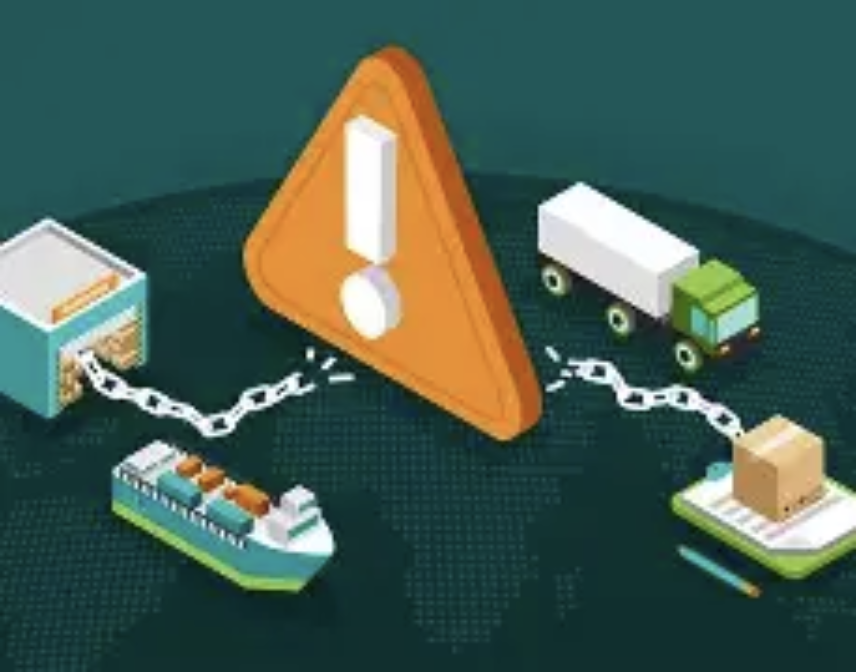
Disrupted Supply Chains Beyond Components
In addition to hardware deficits, blockades interfere with the hidden technology that supports supply chains. Dependent on cross-border data exchanges, cloud logistics platforms, AI-based inventory systems, and blockchain tracking tools all suffer. As a result, luxury manufacturers—including high-end automobiles and precision medical devices—struggle with inefficiencies that diminish profit margins and brand esteem.
Reduced Access to Specialized Tech Knowledge
Tech blockades lead to a shortage of expert talent and expertise. Various specialized tech sectors, such as quantum sensing and advanced materials science, depend on a worldwide network of specialists. Restrictions on academic interactions and professional movement prevent businesses from accessing this talent, hindering the progress of high-value products—from upscale smart homes to personalized healthcare devices—that affluent clients desire.

Decreased Trust in International Tech Standards
Unified technology standards are vital for global industries, yet blockades splinter this structure. When countries implement incompatible tech protocols to circumvent restrictions, it leads to complications in international trade. For example, luxury electronics producers now incur expenses to modify products for various regional standards, increasing prices and diminishing the seamless experience their affluent customers expect.
Innovation in sustainable technology—essential for luxury sectors seeking to resonate with eco-conscious consumers—depends on international cooperation. Blockades limit access to green technologies, such as advanced energy storage solutions and carbon-monitoring AI, hindering the shift toward sustainable practices. This not only tarnishes brand image but also restricts the availability of high-standard eco-friendly products.
Increasing Expenses for Technological Diversification
To navigate around blockades, businesses must invest significantly in diversifying their technology sources. This expensive shift—from creating in-house alternatives to forming new alliances—escalates production expenses, which are eventually transferred to consumers. For affluent customers, this signifies elevated prices for luxury goods integrated with technology, without a corresponding enhancement in quality or innovation.

For those capable of investing in and influencing global industries, tech blockades are not merely a concern of geopolitics; they pose a risk to the value, innovation, and exclusivity they prioritize. Grasping these concealed repercussions is essential for maneuvering through an increasingly fragmented technological landscape.
(Writer:Ganny)
Related Articles