Tech-Driven: The Future of Learning Redefined
advertisement
Learning, which was previously limited to traditional classrooms, textbooks, and strict timelines, is on the brink of a significant shift—one driven by state-of-the-art technology that accommodates the individual preferences of those who seek efficiency, customization, and ongoing development. The real inquiry is not whether learning will evolve, but rather in what manner technology will transform it into a process that corresponds with the pace, desires, and ambitions of discerning learners.
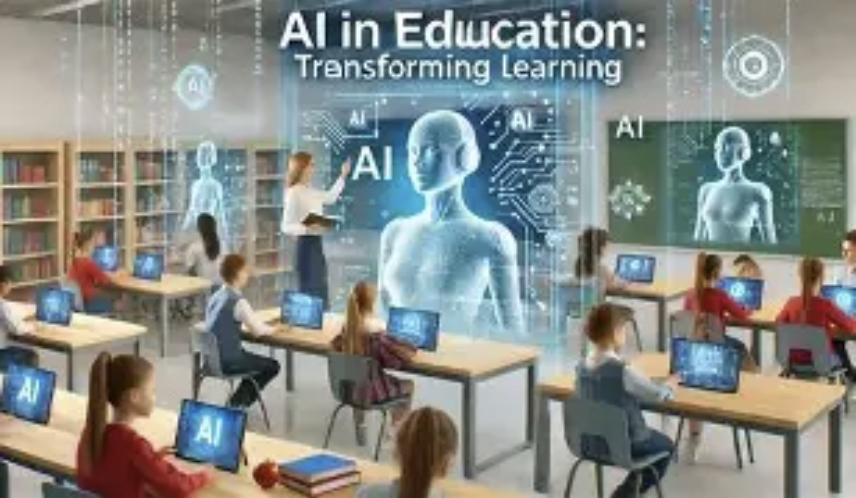
Neuromorphic Learning Interfaces: Brain-Aligned Learning
Moving beyond typical adaptive learning applications, neuromorphic interfaces emulate the neural pathways of the brain to present information in manners that improve memory retention and lessen cognitive strain. For busy, high-achieving individuals, this approach allows for mastering intricate abilities—ranging from foreign languages to advanced leadership skills—more quickly and with reduced effort, integrating smoothly into their demanding routines.
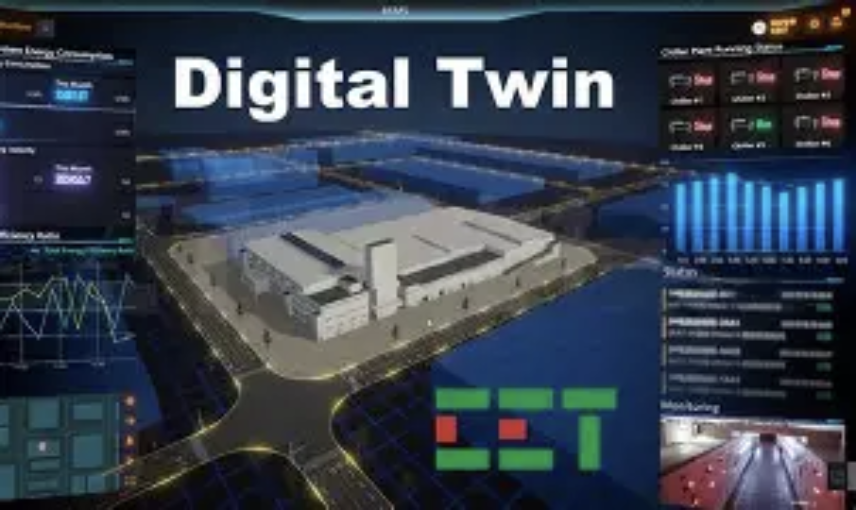
Digital Twin Learning Environments
Digital twins have evolved beyond their initial application in manufacturing; they are now revolutionizing educational experiences by developing highly realistic, risk-free simulations. Whether rehearsing critical professional situations or mastering specialized hobbies, these virtual models enable learners to experiment, encounter failures, and enhance skills without real-world repercussions—ideal for those who pursue excellence without compromise.
In contrast to generic learning platforms, AI curators evaluate not only your interests but also your daily timetable, concentration level, and preferred learning styles to provide concise, focused content. This ensures that time wasted on irrelevant information is a thing of the past; every moment spent learning is customized for your objectives, be it professional development or indulging in a passion—suitable for those with limited time and a focus on outcomes.
Haptic Feedback Learning Tools
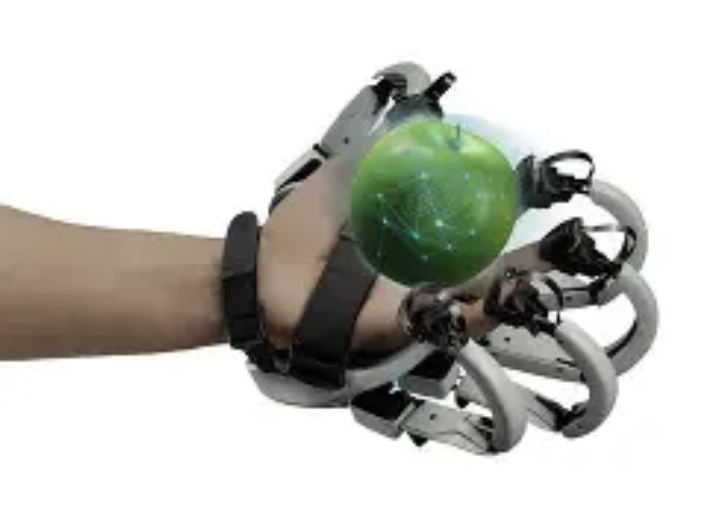
An often-overlooked yet significant advancement, haptic feedback technology introduces a tactile element to education. Whether it involves mastering musical instruments or grasping complicated mechanical concepts, these tools replicate physical sensations, bringing abstract ideas to life. For individuals who prioritize hands-on, engaging learning experiences, this innovation bridges the gap between theoretical understanding and practical application in ways conventional methods have failed to achieve.
Decentralized Learning Networks
The upcoming landscape of education is not centralized; rather, it is interconnected. Decentralized networks, enabled by blockchain, link learners with leading experts, exclusive resources, and fellow communities globally. This advancement provides access to rare insights and customized mentorship, previously available only to a limited number of individuals, empowering learners to gain knowledge from the best, no matter where they are located.
Biometric Learning Optimization
Biometric devices embedded in educational tools monitor physical indicators—from eye movement to heart rate—to determine when you are most alert, fatigued, or engaged. AI subsequently modifies the tempo, content, and format of learning in real-time, ensuring the utmost efficiency. For those who prioritize productivity and results, this approach minimizes wasted effort and optimizes each learning opportunity.
This transformation extends beyond simply upgrading technology; it represents a re-envisioning of education as a tailored, effective, and engaging experience. For individuals who refuse to accept a standardized educational framework, the future of learning is set to be as distinctive as their aspirations—driven by technology and crafted specifically for them.
(Writer:Wanny)
Related Articles