Cool AI Products: Why Glamour Fails to Drive Profits
advertisement
In a realm where advanced technology is closely linked with elegance, numerous artificial intelligence items impress with state-of-the-art functionalities—from sophisticated voice assistants to luxury gadgets enhanced by AI. However, for those who prioritize substance alongside aesthetics, an intriguing contradiction arises: many of these visually appealing AI devices face challenges in converting their charm into consistent earnings. The disparity between trendiness and financial viability is not due to flawed design but rather arises from concealed technological, market-related, and value misalignments that often go unnoticed.

Numerous AI offerings prioritize the wow factor at the expense of genuine usefulness, concentrating on impressive demonstrations rather than addressing significant challenges. For discerning consumers, a voice assistant that recites literature or a decorative AI tool that produces modernistic designs may provide entertainment but lacks necessity—they look for solutions that effortlessly blend into their high-quality lifestyles, rather than technology for its own sake.
Hidden Financial Pitfalls of AI Development
Behind the stylish facade of impressive AI is a significant amount of unforeseen expenses. Unlike conventional software, artificial intelligence necessitates ongoing model updates and substantial computing power, with hardware and energy costs diminishing potential profits. Even high-end AI devices frequently cannot mitigate these ongoing expenses, as their elevated price points discourage widespread acceptance while niche interest remains limited.

Discrepancy in Value Perception
Consumers with high purchasing power assess worth based on long-term usefulness rather than novelty. Numerous trendy AI products impose high costs for momentary appeal—for instance, AI wearables that monitor obscure health indicators but offer minimal actionable advice. Such products fail to persuade customers that their worth justifies continued expenses, resulting in low user retention and limited repeat revenue.
The attractiveness of AI often diminishes in everyday contexts, as algorithms struggle with the complexities of real life. A sophisticated AI personal stylist might perform admirably in curated demonstrations yet fail to consider individual tastes or unexpected situations, leading to user dissatisfaction. This inconsistency between demonstration effectiveness and practical utility undermines trust and recommendations, which are crucial in upscale markets.
Neglecting Nuances of Niche Markets
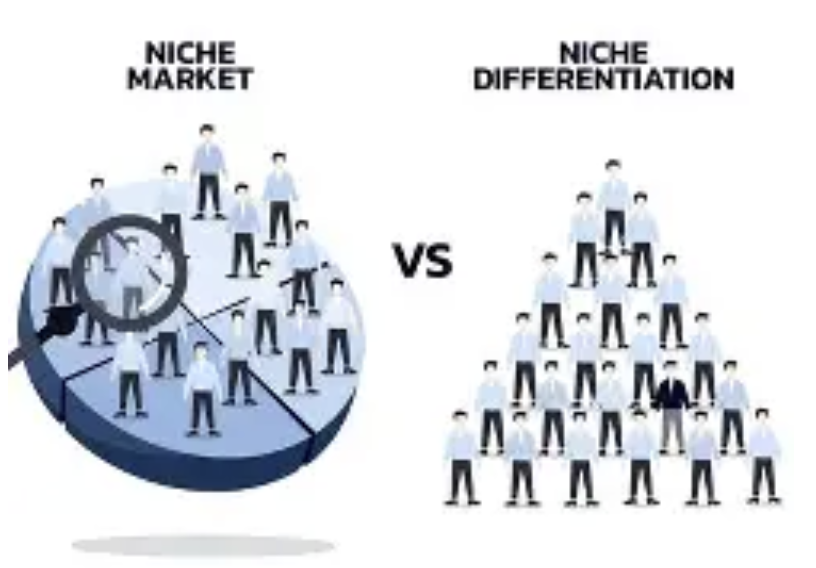
Trendy AI products frequently take a generic approach, disregarding the specific demands of affluent consumers. They tend to aim for widespread appeal instead of customizing features to cater to distinct luxury lifestyles—such as AI financial applications that offer no tailored wealth management advice or AI home systems that emphasize novelty rather than smooth compatibility with upscale decor.
Regulatory and Trust Challenges
Sophisticated users prioritize privacy and dependability, yet numerous attractive AI products neglect essential data security and transparency measures. Stringent regulations surrounding AI data usage introduce compliance-related expenses, while trust issues—like AI "hallucinations" in high-end advisory tools—cause users to hesitate before investing in a product they cannot fully depend on.
The draw of attractive AI is clear, but achieving profitability necessitates more than just eye-catching technology. For AI items to thrive, they must synchronize innovation with true usefulness, balance costs with value, and consider the intricate requirements of demanding consumers. Only by doing so can allure transform into sustainable profits, turning visually striking technology into practical, revenue-generating solutions.
(Writer:Lorik)
Related Articles