Health Anxiety: A Tech Upgrade Chance
advertisement
Health anxiety frequently seems like a heavy load—persistent concern regarding hidden hazards, unclear symptoms, or future health. However, underneath the tension exists a significant catalyst for technological advancement. The most promising innovations in health technology today not only alleviate anxiety; they convert it into actionable insights and customized care solutions. For thoughtful consumers, this transformation changes fear into empowerment, enhancing health management to be both reassuring and state-of-the-art. Let us examine how anxiety is driving the upcoming evolution of health technology.

The era of basic pedometers is over. Current wearable devices continuously monitor glucose levels, heart rate variability, and even skin conductance to identify stress. For instance, gadgets that feature non-invasive blood glucose sensors enable individuals to observe how meals impact their bodies in real-time, transforming vague concerns about “energy dips” into specific dietary modifications. This level of accuracy not only alleviates anxiety but also empowers users by converting unseen bodily functions into manageable information.
AI-Powered Predictive Care
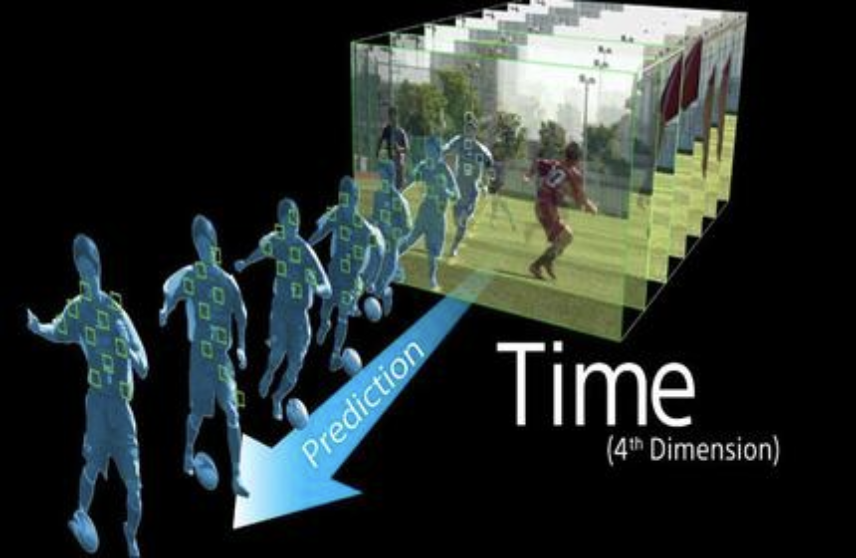
Anxiety flourishes in uncertainty, yet AI is shifting prediction into proactive prevention. Sophisticated algorithms examine extensive health records—covering everything from sleep habits to genetic indicators—to identify early signs of issues such as high blood pressure or burnout. An executive with a hectic schedule might get a tailored notification recommending a change in their work hours based on minor shifts in their sleep patterns and stress-related hormones. This forward-thinking care redefines “what if” as “what to do now,” transforming anxiety into readiness.
Virtual Wellness Ecosystems
Feeling isolated can intensify health anxiety, but virtual ecosystems foster integrated care. Platforms connect users with AI chatbots for around-the-clock symptom assessment and human experts for tailored guidance—all from their own homes. Premium wellness technology provides virtual retreats that include guided meditation, nutrition classes, and individual coaching. These systems not only supply information; they also cultivate a support network that eases the burden of health management.
Concerns regarding environmental health—including air quality, water safety, and lighting—have driven advancements in smart home technology. Cutting-edge air purifiers equipped with real-time toxin sensors modify filtration based on individual breathing patterns, while intelligent lighting reflects natural circadian rhythms to enhance sleep quality. Even cooking gadgets can evaluate the nutrient profile of food and recommend meals aligned with health objectives. This technology transforms residences into spaces for wellness, directly addressing anxiety at its foundational level.
Neurofeedback for Mental Resilience
Technology is now addressing the psychological aspect of health anxiety directly. Neurofeedback devices monitor brainwave activity and incorporate gamified tasks to help users learn to manage stress responses. For example, a participant might engage in a virtual game where calm brain activity propels a character forward, gradually enhancing mental resilience. This approach goes beyond just relaxation—it provides actionable training that equips users with strategies to handle their anxiety independently.

Personalized Pharma Tech
Concerns surrounding medication side effects and effectiveness are being addressed by advancements in personalized pharmaceutical technology. Intelligent pill dispensers monitor adherence and notify users if a dose is missed, while AI assesses individual genetic profiles to forecast responses to various medications. Some systems even modify dosages based on real-time health indicators. This degree of personalization transforms the unpredictability of medication usage into a precise, customized experience, minimizing anxiety while enhancing health results.
(Writer:Dick)
Related Articles