More Tech Products, More Anxiety: The Hidden Link
advertisement
We are more surrounded by technological devices than ever before—smartphones, wearable devices, smart home systems, and artificial intelligence assistants aimed at making our lives easier. However, instead of experiencing more comfort, many people struggle with a subtle, ongoing anxiety that intensifies as our collection of gadgets grows. This contradiction is not merely accidental or purely about "screen time"; it is rooted in concealed stresses that are distinctive to the digital era, especially for individuals who can invest in the newest technologies. The instruments that are intended to simplify our existence are silently contributing to our unease in ways that are seldom addressed in mainstream discussions.

Frequent tech users often endure an unvoiced expectation to “enhance” every facet of their lives with technology. Each new gadget claims to improve productivity, well-being, or convenience—but owning these devices results in endless modifications: software updates, ecosystem synchronization, and mastering new functionalities. This relentless quest for “perfection” via technology induces anxiety, as the aspiration for a “flawless life” becomes more elusive, even with the most sophisticated products.
Unseen Competition Driven by Technology
Technological devices have transformed subtle comparisons into a relentless, invisible influence. Social media, combined with luxury technology, creates a cycle where witnessing others’ newest gadgets—customized smartphones, state-of-the-art wearables—elicits feelings of inadequacy. Tech-savvy users, who often prioritize status and sophistication, feel compelled to keep pace, turning the ownership of gadgets from a convenience into a generator of self-doubt.
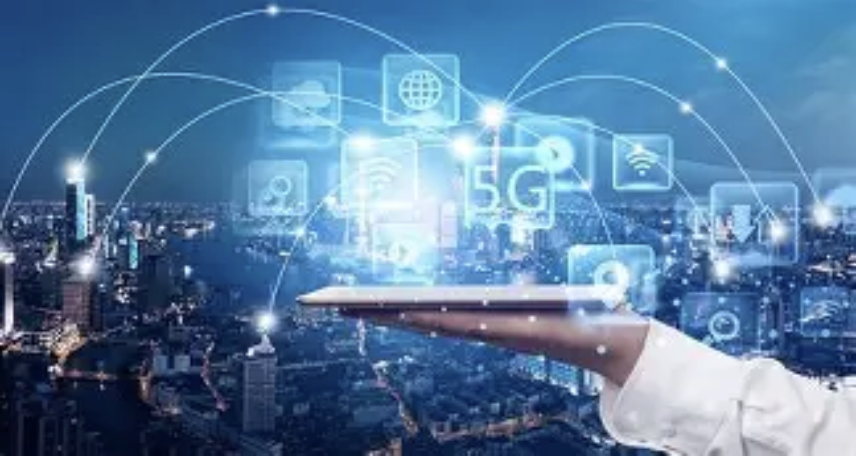
Technology claims to offer control—over our time, health, and living environments—but this control is often deceptive. Smart home devices can malfunction, wearables may produce conflicting health information, and AI assistants can misinterpret instructions. For those used to high expectations, these minor glitches signify a sense of lost control, heightening anxiety. The more we depend on technology, the greater our fears become regarding its potential failures and the disorder that may ensue.
Digital Overload: The Subtle Drain
High-end tech items are crafted to seize our focus, featuring elegant designs and constant alerts. This digital overstimulation places a strain on our minds, even when we do not actively engage with the gadgets. Frequent users, who typically lead hectic lives, struggle to “disconnect” because their technology is integrated into every aspect of their daily routines—resulting in a mental exhaustion and anxiety that feels overwhelming.

Fear of Obsolescence: Worry About Lagging Behind
The swift evolution of technology brings a particular anxiety: the dread of possessing something "outdated." Unlike luxury items that can age gracefully, premium technology can become obsolete in just a few years. For heavy tech users, this necessitates regular updates—not out of genuine need, but due to the pressure to remain relevant. The routine of purchasing, replacing, and adapting to new technologies evolves into a source of tension rather than satisfaction.
Technology was designed to simplify our existence, yet its overwhelming presence has led to a different sort of stress—rooted in decision-making, authority, and anticipated outcomes. For individuals with access to top-tier technology, this responsibility can feel even greater: as we accumulate more, we tend to become increasingly anxious about maintaining our status, exerting control, and seeking significance beyond our latest gadget.
(Writer:Dirick)
Related Articles