More People Are Ditching Flagship Phones
advertisement
Once regarded as a marker of sophistication, high-end smartphones are diminishing in appeal—even for those who can easily purchase them. The change is not driven by price but rather by an increasing awareness: contemporary premium devices frequently emphasize extravagant features rather than practical utility, compelling consumers to pay for capabilities they rarely utilize. For individuals who appreciate purpose over extravagance, moving away from flagship models has become a way to regain mastery, simplicity, and worth in their technological experiences.
Excessive Features Feel Redundant
Current flagship models are crammed with extravagant characteristics that contribute to complexity rather than providing real enhancement. From 200MP cameras that necessitate expert editing to distinguish any improvement, to fragile foldable screens, these additions seem more like gimmicks. Users who prioritize quality are selecting gadgets with focused, meaningful functions—such as a compact smartphone with a 50MP camera designed for regular photography, steering clear of the excess that makes usage cumbersome.
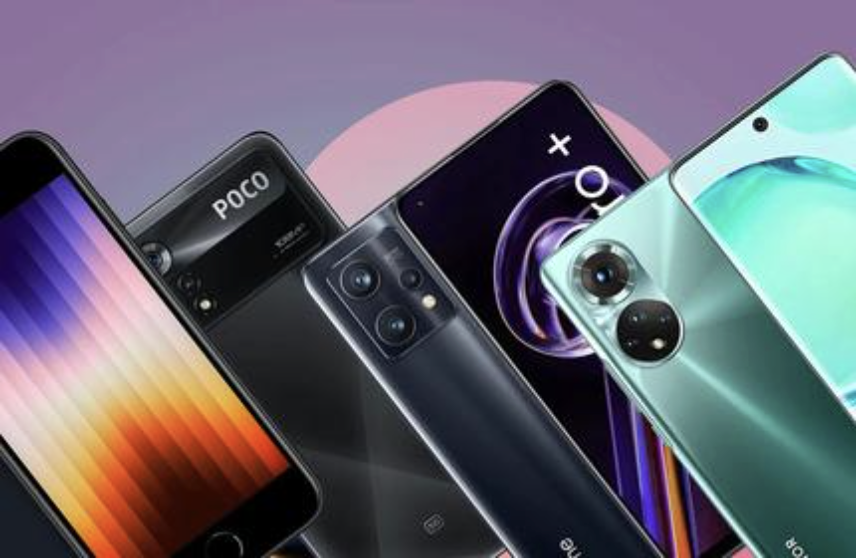
The distinction between flagship devices and higher-end mid-range smartphones has all but disappeared. Manufacturers now present mid-range options featuring high-grade materials, rapid-refresh displays, and durable batteries—all at a more accessible price point. These devices forgo unnecessary extras while still delivering the essential performance that discerning users seek, rendering the premium perception of flagships unwarranted.
Sustainability Prevails Over Planned Obsolescence
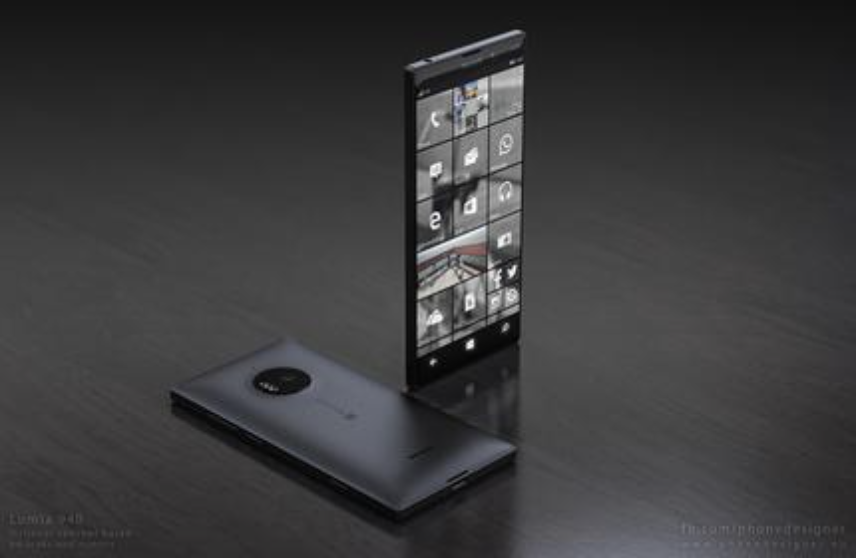
Discerning customers are turning away from the annual upgrade cycle associated with flagships. These phones tend to have non-removable batteries and sealed designs, compelling consumers to replace the entire unit upon any part failure. Individuals opting out of flagships favor repairable smartphones equipped with modular components, thus decreasing electronic waste and ensuring their devices endure for extended periods rather than just months.
Privacy Concerns Outweigh Benefits
Flagship devices often incorporate intrusive software and tracking features linked to ecosystem services that gather personal data. Users with substantial wealth who prioritize their privacy are selecting smartphones with superior security—such as open-source systems or models featuring physical privacy controls—steering clear of the surveillance threats posed by flagship ecosystems.
Minimalism Resonates with Sophisticated Taste
Flagship smartphones frequently appear extravagant, with large designs and bold logos that attract attention. Discerning customers tend to favor sleek, subtle devices that seamlessly integrate into their lifestyles—compact phones with minimalist aesthetics, devoid of prominent logos and adorned in neutral shades, reflecting a preference for elegance rather than flamboyance.
Practicality Takes Precedence Over Prestige
For numerous users, flagships have transitioned from symbols of prestige to indicators of thoughtless consumption. Individuals in the high-end market now emphasize utility: they seek a phone that charges swiftly, offers dependable call quality, and integrates perfectly with their other gadgets, rather than one that showcases specifications solely for bragging purposes. Abandoning flagships signals a mark of discernment, rather than concession.
The movement away from flagships signals not a dismissal of quality, but a resurgence of purposefulness. It’s about selecting a phone that assists rather than distracts; that endures instead of quickly becoming obsolete; and aligns with personal principles rather than advertising trends. For those who have the liberty to choose with intention, it represents a subtle rebellion against the superfluity of contemporary technology—and an option that feels infinitely more lavish than any flagship could ever be.
(Writer:Ciki)
Related Articles