Clean Energy’s Long-Term Value: Tech-Driven Gains
advertisement
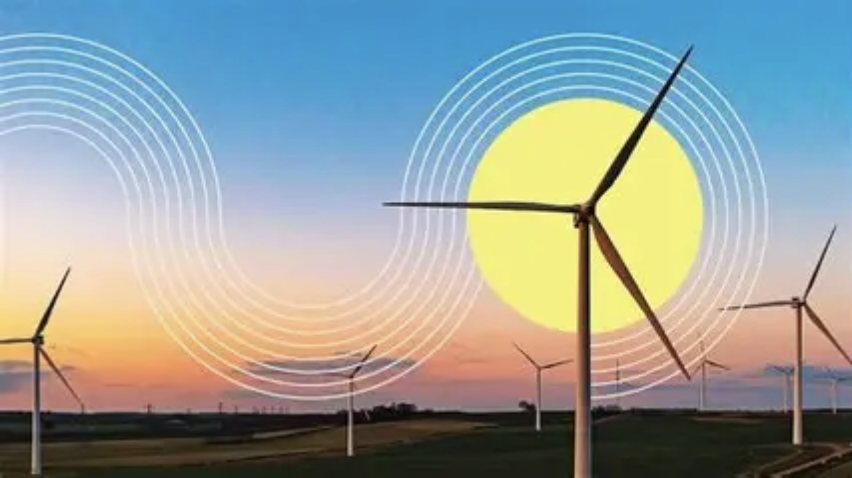
Beyond the excitement surrounding solar and wind solutions, the genuine long-term worth of clean energy is found in specialized technological advancements and innovative systems. Savvy investors recognize that these lesser-known developments—rather than widely recognized projects—can deliver lasting benefits that sync with ESG objectives while providing protection against geopolitical and environmental uncertainties. The pathway to wealth in clean energy extends beyond renewable generation and includes advancements in efficiency, storage, and value retention.
Osmotic Energy: Untapped Coastal Potential
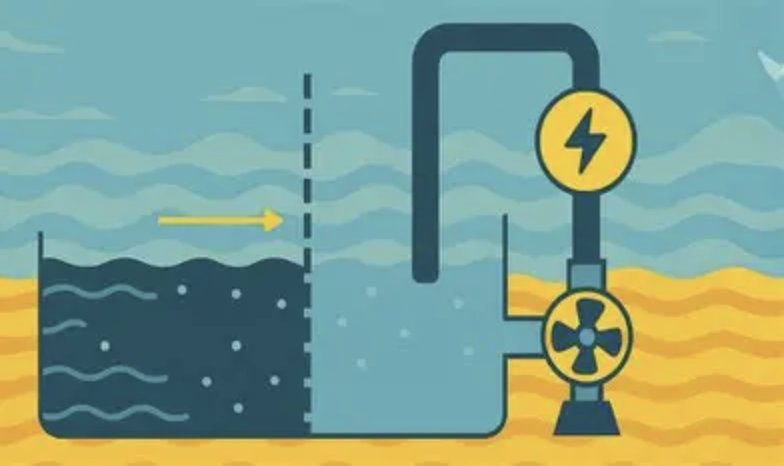
Osmotic energy, which harnesses the differences in salinity between freshwater and saltwater, is an underrated renewable energy source that provides continuous output without being affected by weather conditions. Innovations in nanofluidic membranes have enhanced its efficiency by twenty times, making it viable for commercial use. Globally, it has the capacity to fulfill 15% of electricity requirements, thereby offering investors the chance to engage in coastal projects characterized by stable revenue and low environmental impact.
High-pressure storage options for hydrogen underground, similar to the "underground hydrogen warehouse" technology in China, tackle the primary challenge hindering the adoption of green hydrogen. Storage wells capable of 45MPa allow for safe, large-scale hydrogen storage, facilitating the broader use of hydrogen in heavy industry and transportation. Investors should focus on companies that excel with this technology, as it becomes essential for reducing carbon emissions in hard-to-decarbonize sectors.
Blockchain-Powered Carbon Management
Blockchain technology is transforming the way carbon is monitored, allowing for real-time tracking of green energy and carbon assets on an hourly basis. This innovation addresses the verification difficulties associated with global carbon tariffs, enhancing the value of green energy for international companies. Platforms that combine blockchain with carbon accounting help lower compliance expenses and create opportunities for higher pricing of clean energy credits.

Salt Cavern Energy Storage: Grid Stability Backbone
Salt cavern systems for compressed air storage function like a "grid battery," able to deliver full output in just ten minutes to stabilize sporadic renewable energy sources. Composed entirely of localized core components, these systems feature long durability and low upkeep expenses. For investors, they present a chance to be part of grid resilience, which is increasingly essential as the incorporation of renewables escalates worldwide.
Distributed microgrids, which harness small-scale solar, wind, and storage solutions, circumvent the limitations of traditional grids. They are particularly beneficial for remote locations and high-need sectors such as hospitals, ensuring reliable energy access and independence from the grid. Investors can engage in specialized initiatives that promise consistent revenue, as governments promote decentralized energy solutions for enhanced security and sustainability.
Waste-to-Energy Tech: Circular Value Creation
State-of-the-art waste-to-energy solutions convert organic and industrial waste into both energy and heat, while also reclaiming vital materials like lithium. Unlike typical incineration processes, these technologies adhere to stringent emission criteria and foster circular value networks. For investors with a focus on ESG, they represent an opportunity for dual benefits: reduction of waste and generation of energy.
The long-term significance of clean energy is shaped by technological advancements that address unmet demands. For affluent investors, these specialized avenues provide an escape from saturated markets, yielding sustainable returns while aiding in the reduction of carbon emissions—transforming climate-focused initiatives into strategic opportunities for building wealth.
(Writer:Laurro)
Related Articles