How Much Longer Can We Live?
advertisement
The inquiry regarding the potential extension of human lifespan exists at the juncture of advanced scientific research and the developing boundaries of biology. For individuals aiming to enhance their health and longevity, the solution is found not in ambiguous assurances, but in grasping the recent scientific advancements, strict limitations, and revolutionary approaches that are redefining what is achievable.

From Lifespan to Healthspan: The Real Goal
Genuine longevity encompasses more than just the number of years—it signifies health and vitality. Authorities now emphasize healthspan, which refers to years spent in good health, over mere lifespan. Strategies that prolong lifespan while maintaining mental clarity, physical autonomy, and metabolic well-being represent the ideal. A study published in the Lancet in 2026 indicated that optimal sleep, exercise, and nutrition could contribute over nine additional years of good health, highlighting that lifestyle choices significantly influence our fate.
“Epigenetic clocks” that assess DNA methylation (such as Horvath’s or GrimAge) provide a much clearer picture of biological age than chronological age. These instruments illustrate how lifestyle habits, stress levels, and interventions impact cellular aging. By monitoring aging specific to various organs, they create customized strategies to slow deterioration—transforming abstract goals of longevity into practical measures.
Game-Changing Interventions: From Lab to Clinic
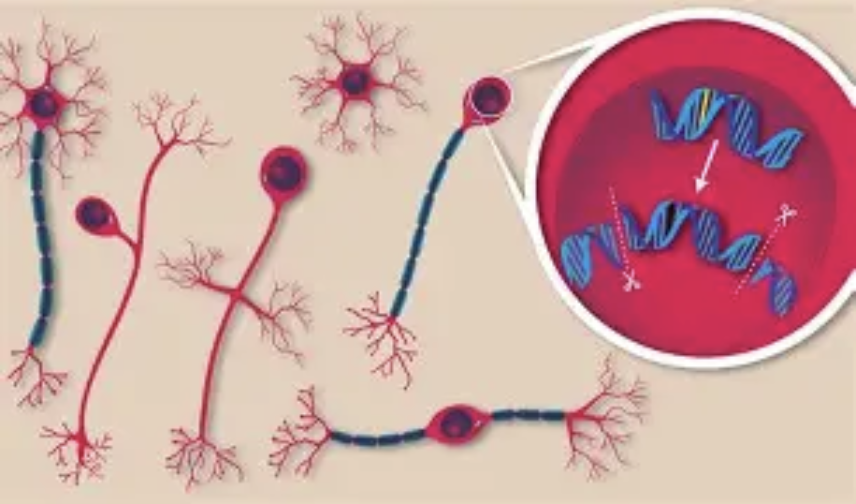
Numerous strategies aimed at combating aging are progressing from studies on animals to human clinical experimentation and demonstrating impressive possibilities for prolonging a healthy lifespan. Senolytic therapies eliminate detrimental senescent cells to alleviate age-associated deterioration, while cell reprogramming therapies sanctioned by the FDA revert cellular aging and rejuvenate organ performance. Treatments based on GLP-1 provide metabolic and heart health improvements in addition to their anti-aging properties, and technologies focusing on stem cells and the regeneration of organs mend tissue loss linked to aging, together transforming innovative laboratory findings into effective clinical uses.

The 5–10 Year Projection: What’s Realistic?
In the upcoming decade, many individuals could gain an additional 10 to 20 years of good health, with some possibly reaching ages of 130 to 140 through proactive, evidence-based medical strategies. This is not mere speculation; it is the outcome of synthesizing epigenetic monitoring, senolytics, metabolic enhancement, and regenerative therapies. The paradigm will evolve from “extending lifespan” to “restoring youth,” making the pursuit of longevity achievable for those willing to prioritize preventive healthcare.
The Hard Ceiling: Biology vs. Hype
Even with advancements, inherent limitations persist. Genetic inheritance contributes approximately 55% to lifespan, leaving the remaining half reliant on environmental factors and intervention methods. Surpassing the cellular Hayflick limits or mitigating cancer risks associated with extreme telomere lengthening remains to be validated scientifically. At present, the objective is not achieving immortality, but maintaining vitality—transforming the process of aging from a certain outcome into a condition that can be managed effectively.
Ultimately, the future of living longer involves achieving equilibrium: utilizing scientific advancements to increase the number of healthy years while respecting natural limits. For informed individuals, the journey includes care supported by evidence, tailored tracking, and adopting a fresh perspective on longevity—one that prioritizes quality rather than simply extending lifespan.
(Writer:Lorik)
Related Articles