Memory Enhancement: Reshape Learning?
advertisement
Learning has historically been constrained by the limitations of human retention—forgetting, gradual acquisition, and incomplete retrieval frequently obstruct advancement. Currently, state-of-the-art memory improvement technologies are challenging these limitations, providing novel methods to encode, save, and access information. For those who prioritize ongoing development, cognitive superiority, and strategic education, an important inquiry arises: will these advancements transform our learning approach, making conventional techniques relics of a bygone era?
In addition to cognitive training, neural oscillation synchronization technology employs low-frequency pulses to synchronize brain waves throughout the learning process. This non-invasive approach significantly improves the transition of data from short-term memory to long-term storage, halving the time needed for retention. Advanced users capitalize on this technique to acquire intricate abilities—from quantum finance to obscure languages—without the need for exhausting repetition, thereby gaining an advantage in their intellectual endeavors.
Episodic Memory Augmentation: Rich Recall of Acquired Information
Episodic memory technology creates contextual prompts to improve memory retrieval. Devices powered by AI analyze learning contexts (such as a study environment or classroom) and activate relevant neural pathways during review sessions. For affluent learners, this translates to a vibrant, precise recollection of textbooks, class materials, or case studies—essential for critical examination or professional knowledge.
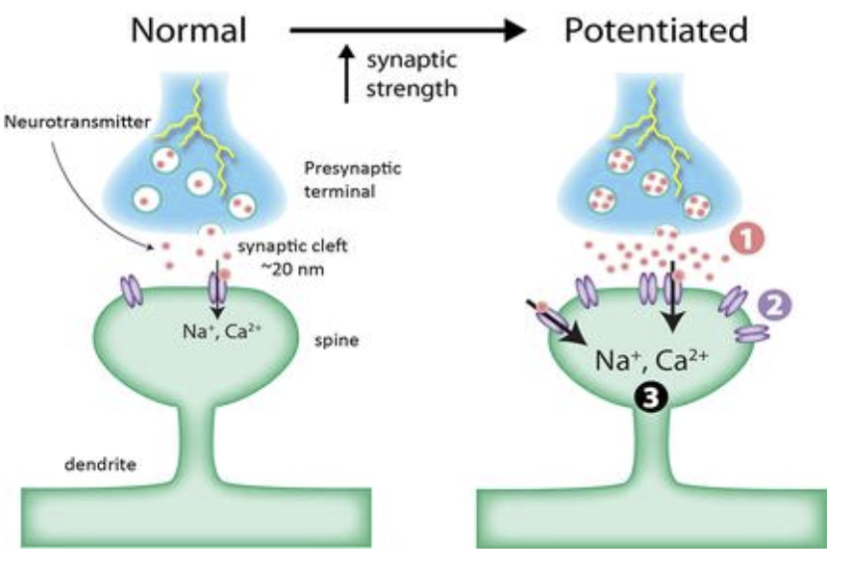
Synaptic Plasticity Boosters: Reconfiguring Memory Pathways
Biologically active peptides and focused neurostimulation improve synaptic plasticity, which refers to the brain's capacity to establish new memory associations. These solutions, supported by private research initiatives, expedite learning by enhancing the adaptability of neural pathways. Knowledgeable users integrate these methods to swiftly adapt to new domains, ranging from cutting-edge technology to international business strategies, free from the constraints of inflexible memory structures.
Sleep-Driven Memory Consolidation: Learning During Rest
Advanced sleep technology enhances slow-wave sleep, the stage in which memory solidification takes place. Intelligent headbands and AI-driven sleep trackers provide timed audio hints to reinforce learned material throughout rest. For busy professionals, this converts sleeping into a productive learning opportunity—allowing them to retain knowledge while rejuvenating, thereby removing the dilemma between rest and advancement.

Associative Memory Mapping: Bridging New and Existing Knowledge
AI-driven associative mapping connects new data to pre-existing memory networks. This technology uncovers concealed links between subjects, enhancing learning to be more intuitive and enduring. High-achieving students use this to construct elaborate knowledge networks—bridging finance, technology, and the arts—facilitating inventive problem-solving and interdisciplinary skill development.
Non-Invasive Hippocampal Stimulation: Targeted Memory Enhancement
Concentrated transcranial stimulation focuses on the hippocampus, the brain's core memory center, aiming to improve both short and long-term memory capabilities. Contrary to widespread brain stimulation, this precise technology reduces side effects while maximizing benefits. For affluent individuals, it offers a secure method to preserve a sharp memory throughout aging, ensuring ongoing learning and cognitive vitality.
Memory enhancement technologies transcend mere improvement in recall; they represent a shift in the concept of learning to a quicker, more instinctive, and sustainable process. For knowledgeable learners, these innovations will transition education from a passive, time-intensive activity to an engaging, effective endeavor—unlocking intellectual capabilities and redefining how we acquire and utilize knowledge.
(Writer:Laurro)
Related Articles