Next 3 Years: Auto Industry Reshuffled
advertisement
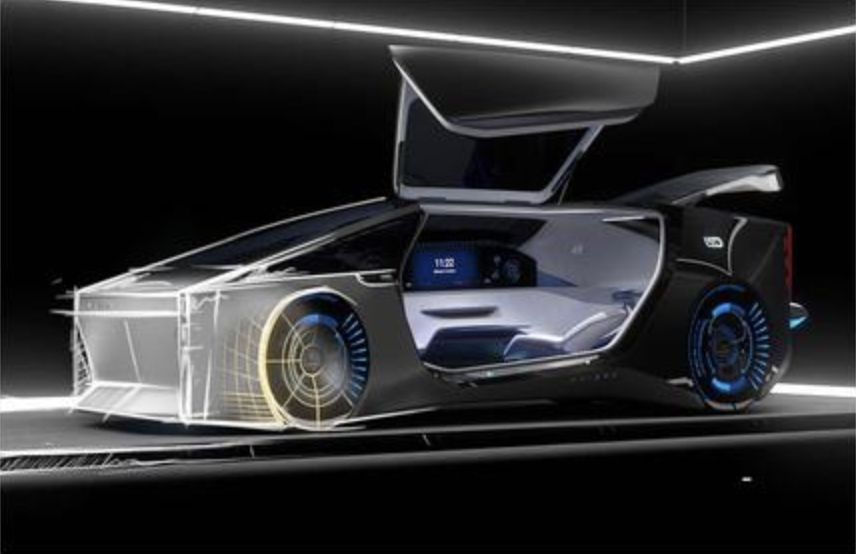
The worldwide automotive sector, which has traditionally been ruled by established titans, is nearing a significant transformation. In the upcoming three years, advancements in technology and changing preferences among affluent consumers will disrupt existing norms. For wealthy buyers, who lead trends through their spending, the vehicles they select and the brands they support will no longer be solely determined by their longstanding history. Success will belong to those that merge creativity, expertise, and exclusivity in ways that redefine luxury automobiles.
Software Over Steel: The New Core of Luxury
Established car manufacturers have historically prioritized engineering and aesthetics, but software is set to be the key differentiator. High-end consumers now evaluate vehicles based on their technological features, including adaptable AI assistants, engaging entertainment options, and smooth device connectivity. A tech-backed startup recently introduced a luxury electric vehicle featuring a "neural interface" that adapts to a driver’s preferences daily. A tech industry leader remarked, "My vehicle modifies everything from seating to music according to my feelings." Companies that are slow to embrace software-driven approaches will fall behind more nimble rivals, even with exceptional engines.
Luxury encompasses more than just vehicles now; it pertains to effortless city transportation. Upscale micro-mobility solutions, such as personalized electric scooters with leather seating and AI navigation, or private electric water transportation in urban coastal areas, are becoming popular. A company that produces yachts has launched a series of electric "city shuttle" services aimed at affluent clients to navigate busy downtown areas swiftly. Brands that neglect this trend and concentrate only on conventional cars will overlook a rapidly expanding section of the luxury transportation sector.
Sustainability as a Status Symbol: Beyond EVs
Wealthy consumers seek beyond just electric vehicles—they expect comprehensive ownership experiences that are carbon-neutral. A novel luxury label incorporates recycled ocean plastic in its interiors and compensates for 200% of its emissions through reforestation efforts. A fashion designer commented, "The sustainability features of my vehicle are as crucial as its driving performance." Brands that simply introduce electric vehicles to their offerings without revamping their supply chains for sustainability will be viewed as inauthentic, alienating eco-conscious affluent buyers.
China’s Rise: Luxury’s New Innovators
Chinese car manufacturers are no longer mere imitators; they are at the forefront of luxury innovation. Companies such as NIO provide battery-swapping stations that can change an electric vehicle’s battery in just three minutes, while Hongqi’s self-driving technology surpasses many Western competitors. Wealthy consumers in Europe and the United States are increasingly opting for Chinese luxury electric vehicles due to their advanced features. In the next three years, Chinese brands are expected to shake up the luxury automotive market, which has been largely under Western influence, compelling traditional manufacturers to speed up their innovation efforts.

The Winners: Agility Over Heritage
The upcoming changes in the automotive industry will not favor those with the longest track records; instead, it will reward nimbleness and a focus on customer needs. Companies that emphasize software, subscription models, micro-mobility, sustainability, and worldwide innovation are likely to prosper. For affluent consumers, this will translate into an abundance of options—vehicles that are intelligent, adaptable, and resonate with their principles. In three years, the automotive scenery will appear drastically different, and success will go to those who were brave enough to redefine luxury from the very foundation.
(Writer:Cily)
Related Articles