The Potential of Self-Evolving Algorithms
advertisement
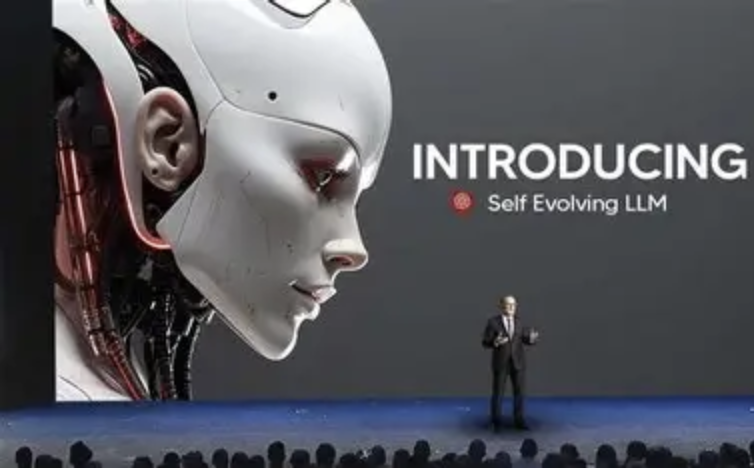
Self-evolving algorithms escape the limitations of preset coding, utilizing human input to enhance their functionality autonomously. Sophisticated systems such as GigaBrain-0.5M implement a cycle of "action-reflection-evolution," employing human-sourced data to improve decision-making for household robots—spanning tasks from laundry to coffee brewing—achieving nearly flawless rates of success. For selective consumers, this translates to intelligent gadgets that adjust to their routines, transforming inactive appliances into engaged, perceptive partners.
In the realm of luxury skincare, self-evolving algorithms process real-time skin information to continuously develop customized formulations. By incorporating user insights and shifts in the environment, these algorithms enhance components for specific preferences, surpassing the limitations of generic "one-size-fits-all" approaches. This technology fuels advanced cosmetic manufacturing, producing personalized items that adapt to changing skin conditions, catering to wealthy consumers’ desire for accuracy and exclusivity.
Classically Inspired Optimization of Medical Robots
Self-evolving algorithms improve the accuracy of medical robots by emulating classical therapeutic methods with responsive modifications. Robots designed for acupuncture and massage utilize these algorithms to adjust needle insertion depth, pressure levels, and rhythm by responding to immediate physiological inputs, effectively mimicking the subtle techniques of human caregivers. This integration of technology with traditional treatment provides affluent clients with safe, individualized care that consistently yields results.
Low-Energy Brain Computing Advancements
Next-generation self-evolving algorithms resemble the development of biological neural networks, resulting in energy-efficient artificial intelligence systems. In contrast to conventional models that require significant power, these algorithms utilize sparse computing and event-driven processing, considerably lowering energy usage compared to traditional technologies. For high-end consumers, this means elegant, eco-friendly smart devices that perform admirably without excessive energy demands.
Evolving Algorithms for Secured Privacy Protection
Self-evolving algorithms weave privacy safeguards into their foundational structure, employing methods such as federated learning to advance without compromising sensitive information. Partnerships among major technology firms merge secure computing with adaptable algorithms, ensuring that premium services—from financial insights to customized health tracking—remain confidential while continuously enhancing. This approach addresses the issues wealthy users face concerning data protection and personalized advancements.

Aerodynamic Design Improvement for Premium Mobility
In the design of luxury vehicles and aircraft, self-evolving algorithms enhance aerodynamic features by simulating natural evolution. These algorithms iterate over designs to achieve a balance among performance, efficiency, and visual appeal, producing streamlined, high-performance vehicles tailored for sophisticated users. This technology expands the frontiers of luxury transportation, blending state-of-the-art engineering with adaptive progress.
Through the incorporation of actual operational data and AI-based enhancements, these aerodynamic systems constantly improve their efficiency while in operation, leading to decreased energy use and lower emissions, all while maintaining the unique design and comfort anticipated in high-end transportation.
Adaptive Therapy Algorithms for Mental Health Assistance
Self-evolving algorithms drive personalized mental health applications, assessing user behaviors, subtle facial expressions, and neural signals to refine therapeutic approaches. Ranging from tailored music therapy to artistic interventions, these algorithms adjust based on emotional reactions, providing specific assistance that evolves according to personal requirements. This grants affluent users individualized mental wellness solutions that are discreet and supported by adaptive technological advancements.
(Writer:Laurro)
Related Articles