Bionic Engineering: Stepping Into Practical Use
advertisement
Bionic engineering, which was previously limited to laboratories and science fiction, is now transitioning into tangible uses—transforming our way of living, experiencing, and connecting with technology. Individuals who appreciate groundbreaking advancements and superior quality see these real-world innovations as more than just technological achievements; they serve as pathways to a more sophisticated and capable lifestyle. Beyond the well-known bionic limbs, modern practical bionics merge natural design with advanced technology, providing solutions that not only function well but also align with refined preferences.

Platinum Silicone: Advanced Skin for Androids
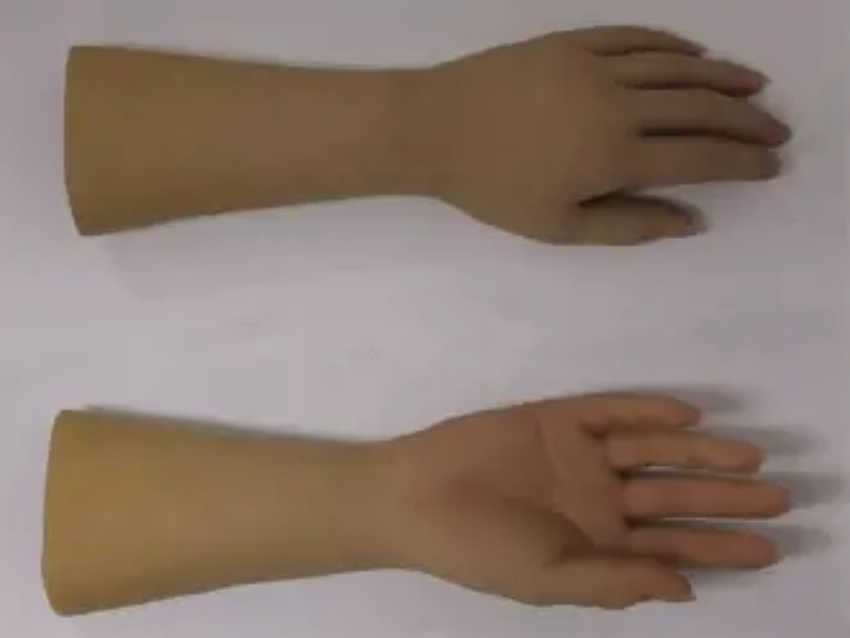
The lifelike appearance of bionic androids greatly depends on platinum silicone, a premium substance often referred to as “flexible gold.” This material differs from standard silicone due to its high purity, exceptional resistance to temperature extremes, and remarkable elasticity, accurately imitating the texture of human skin and facilitating natural microexpressions. No longer restricted to theatrical uses, it has found applications in high-end service robots that engage in personalized interactions within upscale homes and venues.
Bionic Jellyfish Robots for Silent Underwater Missions
Inspired by biology, jellyfish robots are designed with translucent bodies and energy-efficient propulsion systems, allowing them to glide silently through the water by imitating the natural movement of jellyfish. These small, feather-light robots are perfect for environmentally conscious marine research and secluded underwater exploration—attractive to affluent individuals looking for unique experiences that do not disturb oceanic habitats.
AI-Enhanced Bionic Fish for Luxurious Aquatic Décor
Innovative bionic fish such as “Golden Scale” utilize artificial muscle technology and artificial intelligence to accurately replicate the movements of real fish with stunning realism. Beyond their decorative purposes in lavish residences and private aquariums, these smart aquatic creatures provide interactive scenarios, allowing owners to manage schools of fish and connect them with sound systems—transforming water environments into vibrant and sophisticated art displays.
Bionic Joints for Premium Mobility Aids
Practical applications of bionics extend to mobility solutions, featuring AI-optimized bionic joints that replicate the precision of human movement. Utilizing cutting-edge materials and adaptive technology, these joints deliver smooth, natural motion for luxury mobility devices. They focus on both comfort and subtlety, appealing to users who prioritize quality and aesthetics in their quest for improved mobility.

Inspired by human skin and internal organs, these sensors provide highly accurate health information without being intrusive. These compact, wearable gadgets track vital signs, stress levels, and potential health issues while connecting to high-end health management platforms. For discerning users, they offer tailored insights that raise preventive healthcare to an elevated precision level.
Bionic Materials for Upscale Lifestyle Goods
Practical bionics have permeated the realm of everyday luxury—ranging from bionic fabrics that imitate the strength and lightness of spider silk for premium clothing to bio-engineered coatings that repel dirt and water for high-end accessories. These materials fuse nature’s ingenuity with skilled craftsmanship, resulting in exclusive and durable products that excel in quality and innovative features.
The transition of bionic engineering to real-world applications is transforming the landscape of luxury and utility. For those with the foresight to adopt these advancements, this journey is not merely about acquiring new technology; it’s about weaving nature’s insights into a lifestyle that harmonizes exclusivity, efficiency, and an elegant vision for the future.
(Writer:Lany)
Related Articles