Smart Farms: Beyond Cheaper Grains?
advertisement
For affluent consumers, their selections in food rely heavily on factors such as quality, traceability, and sustainability, rather than solely on pricing. Meanwhile, the emergence of intelligent farming practices subtly alters the economic framework of grain production, albeit not in the straightforward manner that many expect. The focus is not simply on reducing labor expenses or enhancing output; it revolves around reimagining efficiency to meet high standards, ultimately striking a balance between cost-effectiveness and value.
Resource Accuracy Instead of Quantity
Intelligent farms utilize IoT devices and artificial intelligence to maximize the use of water, fertilizers, and energy, thus cutting down on waste that typically inflates costs in traditional agriculture. In contrast to standard practices that tend to overuse resources for risk management, precision farming aims inputs specifically according to each plant’s requirements. This approach diminishes production costs without sacrificing the quality of crops—a benefit for farmers that results in more stable grain pricing, helping to steer clear of fluctuations caused by inefficient resource usage.
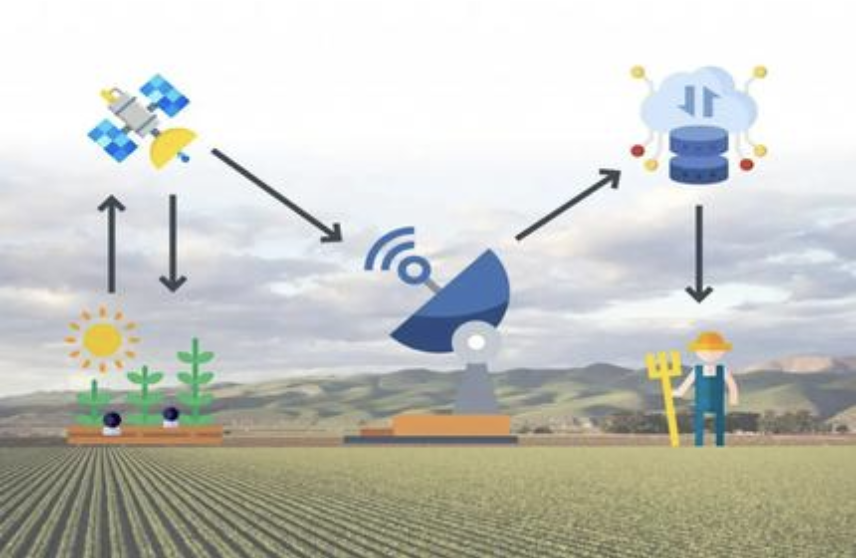
Groups with high consumption patterns emphasize the importance of consistent quality, which smart farms ensure by reducing variability in their output. Forecasting weather through AI and monitoring soil conditions helps avert crop failures and uneven growth, thus lessening the necessity for discounted "imperfect" grains. For producers, minimizing losses enables them to present competitive pricing without compromising the premium quality that affluent consumers demand.
Streamlined Supply Chains
Smart farms adopt digital traceability platforms that link directly with retailers and consumers, avoiding unnecessary intermediaries. Traditional grain supply chains typically waste 15-20% of value through storage, transport, and intermediary margins. By optimizing logistics through real-time insights, smart farms can transfer these savings to purchasers, keeping prices stable while providing transparency—an important factor for discerning customers.
Smart farms do not seek to produce "cheap" grains; they strive to render high-quality grains more attainable. For instance, organic grains, which have historically been high-priced due to low yields, gain from advanced monitoring techniques that naturally minimize pest issues. This enables high-standard, chemical-free grains to become more accessible for affluent consumers who emphasize health without needing to overspend.
Sustainable Long-Term Pricing
The impacts of climate change lead to unstable grain prices, but smart farms enhance resilience against these fluctuations. Drought-resistant crop varieties combined with automated irrigation systems help protect production from severe weather conditions. This reliability mitigates the price oscillations often experienced in conventional farming, resulting in predictable costs for consumers who appreciate financial stability and steady access to quality staples.

Demand-Driven Production Efficiency
Intelligent farms adjust their output according to consumer preferences, avoiding an excess of production that can destabilize markets and lead to price declines. Data analytics keep track of trends—from plant-based eating habits to regional tastes—enabling farmers to cultivate grains that are actively sought after. This synchronization of demand and supply maintains price stability, allowing consumers to pay fair prices for grains they actually desire, rather than subsidizing an oversupply of crops.
Ultimately, smart farms are reshaping the concept of "affordability" for high-consumption demographics. They do not merely focus on decreasing prices; they establish a framework where value and cost can coexist, allowing wealthy consumers to relish quality grains without the prohibitively high prices often linked with sustainability and traceability.
(Writer:Lorik)
Related Articles