You Think You’re Upgrading Life—It’s a Burden
advertisement
You spend money on the newest high-end technology, believing every new gadget, AI application, or intelligent system enhances your life—making tasks easier, increasing efficiency, and improving comfort. However, behind the shiny advertisements and hefty costs, you’re not truly upgrading your existence; you’re accumulating hidden challenges. For those who can afford it, this contradiction is frequently ignored: technology intended to make life simpler is subtly making it more complicated, transforming upgrades into unexpected burdens.
Upgrades Come With Hidden Maintenance Burdens
The attraction of high-end technology lies in its supposed simplicity, but it requires ongoing maintenance. Your personalized smart home hub, created to make life easier, demands routine firmware upgrades, checks for compatibility, and troubleshooting when linked systems experience issues. Your AI-enabled financial advisor, marketed as a way to save time, requires regular data input to adapt to changes in the market as well as your individual objectives. Though these tasks may seem trivial, they accumulate into an unseen burden that encroaches on your free time.
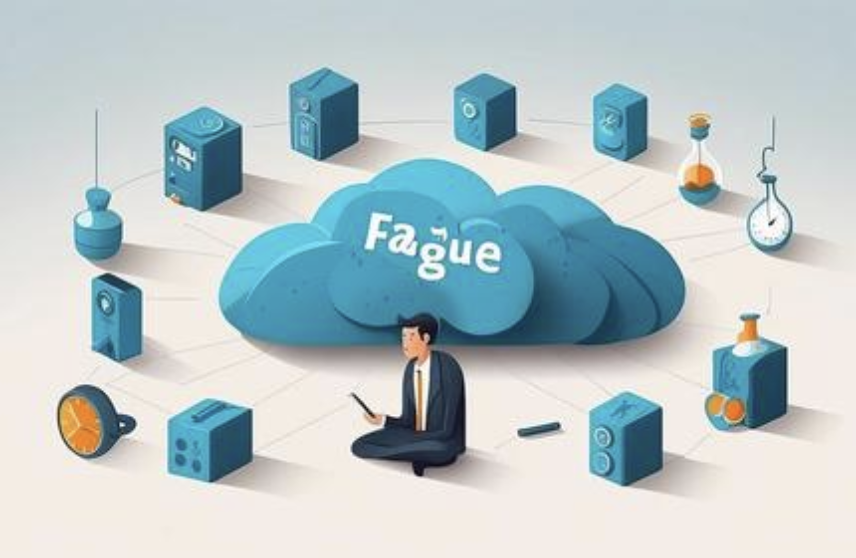
Tech “Convenience” Creates Decision Fatigue
You might think that having more technology results in fewer decisions, but the reality is quite the opposite. Premium devices provide endless options for customization—from the health tracking features on your smartwatch to the tone of your AI assistant—and every selection adds to the strain. Choosing which features to enable, which software updates to download, and which systems to integrate exhausts mental resources, converting what should be convenient into a relentless mental hassle.

Connectivity Adds the Burden of Constant Availability
The sophisticated connectivity of high-end devices, intended to keep you “connected,” ensnares you into a life of constant availability. Your luxury smartwatch interrupts your dinner with work-related emails; your AI assistant notifies you of market changes during weekends; your smart home application sends alerts about minor glitches at two in the morning. This ongoing connectivity doesn’t enhance your life—it weighs you down with the inability to take a break and recharge.
“Personalized” Tech Demands Personal Investment
The main attraction of premium technology is its customization, but it necessitates a considerable amount of personal effort to function effectively. Your AI wellness coach expects you to record every meal and exercise to generate customized recommendations; your unique smart home setup requires you to input preferences for various rooms and situations; your quantum security protocol asks you to revise access permissions for both family and staff. This level of personal investment turns “personalized” into a burden rather than a benefit.

Status-Driven Upgrades Become Emotional Burdens
For individuals with high consumption habits, advancements in technology frequently become linked to social status, resulting in an emotional strain. There is a sense of obligation to match your companions—updating your gadgets not out of necessity, but due to societal expectations. This anxiety regarding the possibility of trailing behind transforms technology from a source of happiness into one of tension, as you perpetually assess if your "upgrades" live up to standards, thereby adding emotional strain to your interaction with technology.
The answer is not to discard technology, but to make deliberate choices. A genuine upgrade in life alleviates stress rather than adds to it—focus on devices that demand little maintenance, work effortlessly without constant involvement, and correspond with your true requirements, rather than social standing. By dispelling the misconception that an increase in technology leads to a better quality of life, you can make upgrades that truly enhance your experience, without carrying any hidden pressures.
(Writer:Matti)
Related Articles