Will Digital Identity Become a Core Asset?
advertisement
In a time when technology merges the boundaries of the physical and digital realms, the worth of assets extends beyond conventional items such as real estate or gold. A novel asset type is beginning to take shape—digital identity—and its capacity to form the foundation of both personal and financial value is transforming our understanding of wealth, particularly for those who can utilize state-of-the-art advancements.
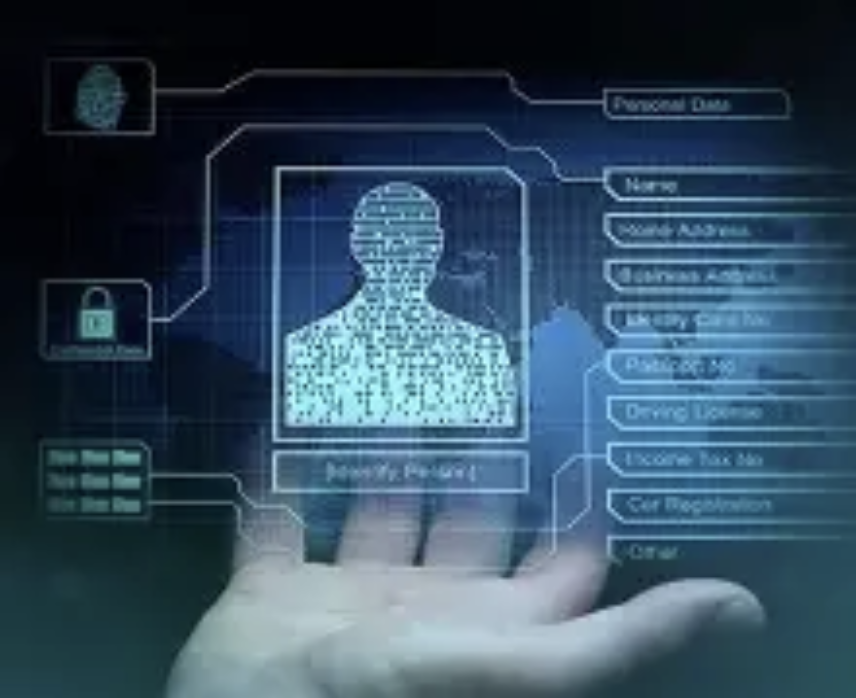
Beyond Login Credentials: The New Identity Paradigm
Digital identity has progressed past simple usernames and passwords. With the support of blockchain, biometrics and decentralized advancements, it now represents a comprehensive digital presence—ranging from confirmed credentials and social reputation to behavioral tendencies and online standings. Unlike conventional assets that lose value over time, this digital identity appreciates with careful attention, rendering it a lively and sustainable asset.
For wealthy individuals, having authority over personal information is a rare privilege provided by few technologies—until the present. Decentralized Identity (DID) frameworks, based on blockchain, empower users to possess and oversee their identity information independently of centralized services. This independence not only protects privacy but also transforms identity into a marketable, verifiable asset usable across various global ecosystems seamlessly.
Virtual Legacy: Identity as an Inheritable Asset
In contrast to physical assets that can be easily split or lost, digital identity can be maintained and passed down via smart contracts. Visionary high-net-worth individuals are already designing their digital identities to encompass virtual assets, social platforms and even AI-driven digital avatars, ensuring that their legacy persists beyond their natural lives into the digital sphere.
Cross-Border Trust: Identity as a Global Passport
In a world that is becoming increasingly interconnected, digital identity functions as a global foundation of trust. Cross-border projects such as the China-Singapore-Hong Kong digital identity mutual recognition pilot utilize zero-knowledge proof to authenticate identities while safeguarding sensitive information, facilitating smooth access to international financial services, real estate opportunities, and elite networks—a vital benefit for global citizens.

AI Synergy: Identity as an Intelligent Asset
Artificial intelligence is advancing digital identity from a fixed profile to an adaptive asset. AI assesses behavioral biometrics—such as typing patterns and device usage—to improve security and tailor experiences. For affluent users, this means AI-driven identity systems can foresee requirements, instantly validate transactions, and even proactively manage digital assets.
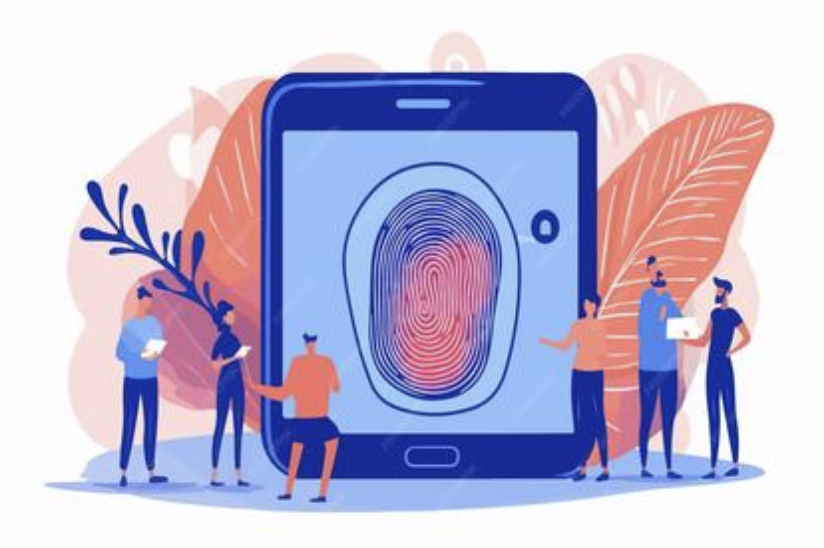
NFT Integration: Identity as a Unique Status Symbol
NFT 3.0 technology is fusing digital identity with unique status symbols. Exclusive identity NFTs, linked to DNA or biometric information, act as digital "noble badges" that provide entry to private virtual clubs, elite events, and high-end services. These NFTs, distinct from typical digital collectibles, derive their importance from their association with a one-of-a-kind individual, becoming a fresh type of conspicuous consumption.
For those equipped with the financial capability to adopt cutting-edge technology, digital identity has transformed from a simple tool into an essential asset that encompasses security, independence, and legacy. As advancements in technology continue, its worth will escalate, reinforcing its status alongside traditional assets in the portfolios of the world's most innovative individuals.
(Writer:Dick)
Related Articles