Health Management: Entering the Data Era
advertisement
Gone are the times when health management depended on sporadic check-ups and personal perceptions. Nowadays, innovative technology is transforming fragmented health information into accurate and actionable insights, changing how individuals—particularly those who seek high-quality, proactive wellness—look after their health. This transformation goes beyond merely counting steps or calories; it involves utilizing state-of-the-art technology to convert health data into a strategic resource for sustaining long-term well-being.

From devices worn on the body that monitor important signs continuously to artificial intelligence-based systems that evaluate health patterns over time, contemporary health management has turned towards a focus on data and individualization. People now have the ability to utilize proactive measures instead of just passive observation; they can receive prompt alerts about risks, personalized health strategies, and specific intervention methods. These approaches that center around data enable individuals to gain authority over their health sooner, avert possible illnesses, and uphold a more steady and research-oriented state of well-being.
Non-Invasive Bio-Sensing: Invisible Health Monitoring
In contrast to conventional wearable devices that may seem cumbersome or intrusive, contemporary non-invasive bio-sensing technologies integrate effortlessly into everyday routines. For instance, smart contact lenses that include micro-sensors have the capability to monitor glucose levels, hydration status, and even early indicators of eye diseases in real time—eliminating the need for blood samples or uncomfortable devices, making them an excellent choice for those who prioritize ease and privacy.
AI-Driven Health Forecasting: Beyond Reactive Care
Current health management practices focus not only on treating existing conditions but also on preventing future ones. AI-driven algorithms that analyze personalized physiological data can predict potential health issues—from metabolic disturbances to stress-related conditions—weeks or even months prior to the onset of symptoms, facilitating timely interventions that help avoid expensive medical treatments in the future.
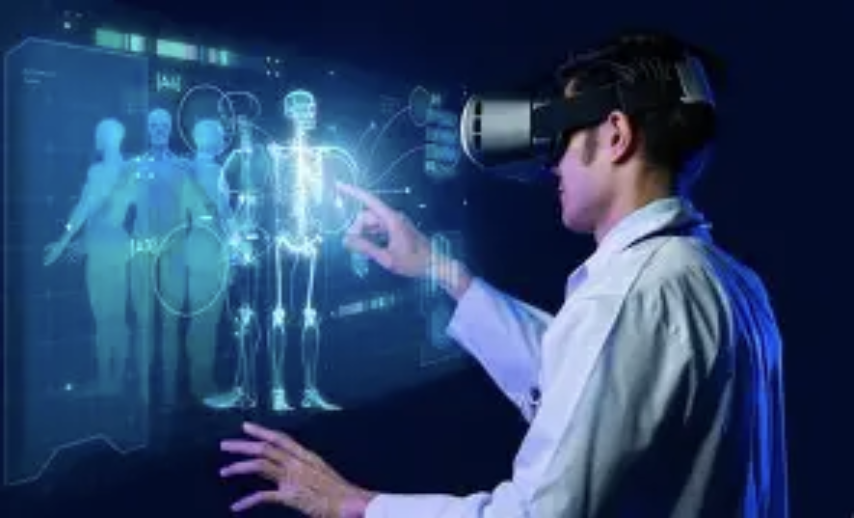
For individuals with various sources of health data—from sleep monitors to private lab tests—cloud-based health portals bring all this information together into one secure dashboard. These platforms employ end-to-end encryption to safeguard sensitive information while allowing effortless sharing with trusted health professionals, thereby ensuring personalized healthcare that is both effective and confidential.
Nutrigenomic Data: Tailored Dietary Precision
One-size-fits-all diet plans are becoming outdated. Nutrigenomic testing combined with data analysis reveals how a person's genetics interact with certain foods, enabling the creation of personalized meal plans that enhance energy levels, decrease inflammation, and promote sustained health. This degree of customization meets the rising expectations for premium, science-driven wellness strategies.
Wearable Tech 2.0: Skin-Integrated Sensors
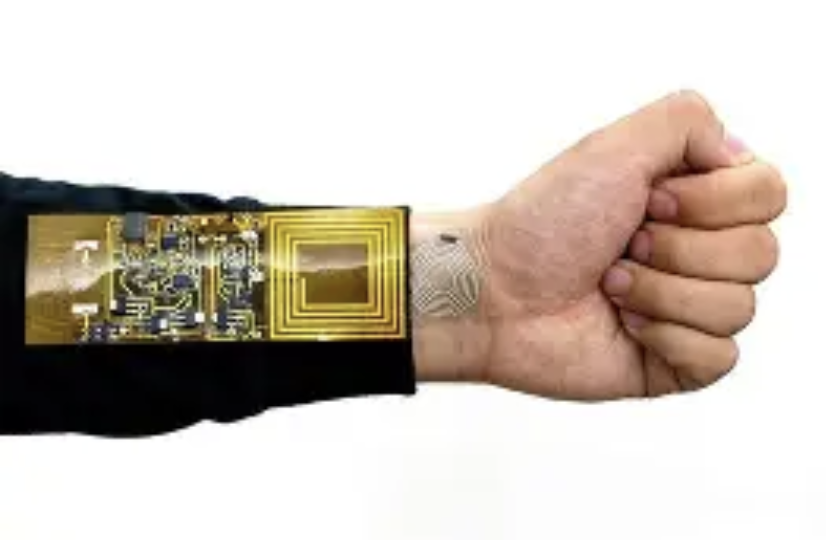
Next-generation wearables extend beyond traditional wristbands—thin sensors resembling skin can be applied like stickers, monitoring everything from slight changes in body temperature to cortisol levels without interfering with daily life. These sensors are waterproof, nearly undetectable, and designed for extended wear, appealing to those who wish to maintain constant health surveillance without compromising on aesthetics.
Data-Driven Anti-Aging: Targeted Wellness
For those who are focused on aging gracefully, data-backed anti-aging strategies utilize biomarkers such as telomere length and collagen content to create specific interventions—from personalized skincare regimens to peptide therapies. This methodology replaces uncertainty with scientific evidence, making sure that anti-aging initiatives are effective and customized to meet individual requirements.
As technology progresses, the epoch of data-driven health management empowers individuals to take complete charge of their wellness. For those who emphasize quality and foresight, this evolution is not merely a trend—it represents a more intelligent, tailored way to invest in the most precious asset: their health.
(Writer:Lany)
Related Articles