Anti-Fragility in AI Era: Thrive Beyond Adaptation
advertisement
In the time of artificial intelligence, simply adjusting is insufficient—anti-fragility, which refers to the capability to strengthen in the face of unpredictability and upheaval, emerges as the key advantage. For those who prioritize independence and enduring resilience, this involves utilizing technology strategically to convert AI’s instability into a chance for growth. Authentic anti-fragility is not about opposing AI, but rather creating a tech-enhanced environment that flourishes with change, maintaining individual agency while capitalizing on innovation.

AI-Enhanced Critical Thinking
Anti-fragility begins with honing what makes humans unique. Advanced AI tools serve as "cognitive reflections," questioning existing beliefs and uncovering blind spots in decision-making processes—from investment approaches to planning for legacy. Rather than delegating judgment, astute users leverage AI to evaluate concepts critically, transforming algorithmic insights into a springboard for stronger, autonomous reasoning.
In situations that vary from tactical evaluation of risks to the formulation of strategic plans over an extended period, the capability of artificial intelligence to analyze extensive datasets and reveal unexpected correlations allows human intellects to be liberated from monotonous number crunching, enabling them to concentrate on the subtle, value-oriented decisions that machines are unable to mimic. This partnership does not lessen the role of human agency; rather, it enhances critical thinking, transforming the concept of anti-fragility from merely a theoretical idea into a concrete, practical perspective that flourishes in the face of unpredictability.
Decentralized Skill Networks
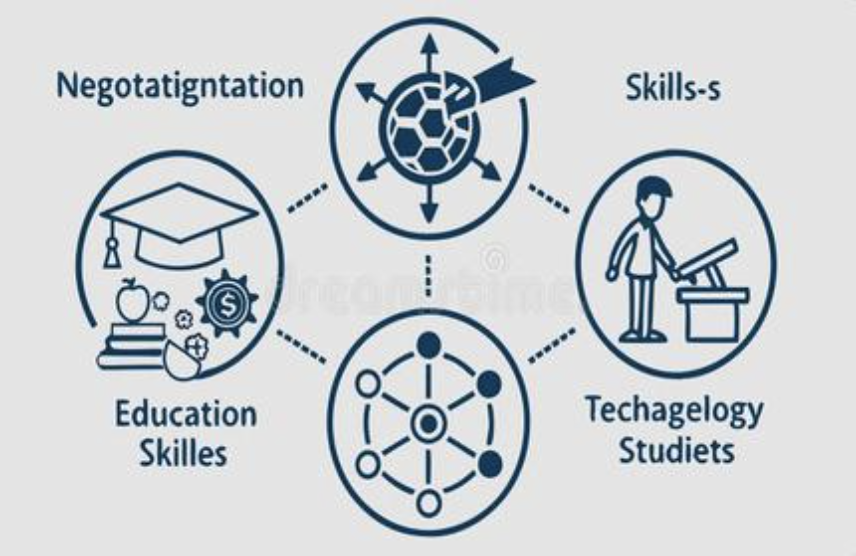
Technology facilitates anti-fragile development of skills beyond singular areas of expertise. AI-coordinated interdisciplinary learning communities connect specialized abilities—like quantum knowledge, ethical AI governance, and skilled craftsmanship—into an adaptable network. This decentralization guarantees that no single AI disruption can render skills irrelevant, converting flexibility into advancement.
Data Privacy as an Anti-Fragility Defense
The protection of data privacy plays a critical role in establishing anti-fragility. Advanced encryption systems, localized AI models, and zero-trust frameworks safeguard sensitive data from being exploited by algorithms. By managing their data presence, individuals can avoid getting trapped in AI-driven feedback cycles, maintaining the ability to adjust strategies freely without being restricted by predictive technologies.

AI Redundancy and Contingency Technologies
Anti-fragile systems welcome redundancy as a core principle. Insightful users implement parallel technology infrastructures: alternative AI tools that operate independently of common platforms, manual control systems for crucial tasks, and offline-capable technologies. This redundancy transforms AI failures or biases from potential disasters into chances to assess resilience and improve workflows.
Affluent individuals influence AI’s effects by establishing governance standards. Tailored AI systems are designed to reflect personal values—opting for ethical integrity over short-term profits or valuing legacy over operational efficiency. This proactive management shifts AI from being a disruptive entity to an asset that strengthens fundamental beliefs, fostering resilience based on purpose.
Intergenerational Anti-Fragile Knowledge
Technology facilitates anti-fragility across different age groups. Mentorship platforms powered by AI convey learned resilience techniques to successors, while immersive simulations allow younger generations to practice handling AI disruptions. This transfer of knowledge across generations, enhanced by technology, establishes a sustainable anti-fragile legacy that persists beyond individual lifespans.
Embracing anti-fragility in the AI age revolves around maintaining agency rather than simply resisting it. For insightful individuals, technology serves as the foundation of a framework that not only withstands but thrives on the currents of AI, demonstrating that the future is crafted by those who shape AI instead of being molded by it.
(Writer:Ciki)
Related Articles