Future Auto Winners: Not Necessarily Car Makers
advertisement
The global automotive sector worth $2.8 trillion is experiencing a dramatic transformation, and the upcoming leaders may not be involved in manufacturing vehicles at all. For affluent consumers, automobiles have evolved beyond mere transportation; they now serve as gateways to fluid, customized mobility networks. The competition is not centered around engine power or stylish appearances; it revolves around the overall experience connected to the vehicle. Firms that excel in this area are likely to outperform established car manufacturers in the luxury segment.

Mobility as a Service: The Luxury of On-Demand Exclusivity
Wealthy individuals are shifting away from owning vehicles in favor of "mobility subscriptions" which include luxury cars, professional drivers, and tailored routes. Recently, a technology company introduced a service that brings a Rolls-Royce Phantom to a customer's villa in southern France, fully stocked with their preferred champagne and music playlist—all organized through an application. This firm is not in the car production business but focuses on creating experiences, charging $15,000 a month for the service. For wealthy clients, the ease of avoiding maintenance or parking issues is more appealing than the attraction of ownership.
Luxury car interiors are starting to function as "third spaces," situated between home and workplace, featuring engaging entertainment, video conferences, and wellness amenities. A media company has recently arranged to convert backseats into personal movie theatres, providing exclusive content streaming before it becomes available in cinemas. Another enterprise connects meditation applications with in-vehicle lighting and fragrance systems, assisting executives in relaxing during travel. These firms may not manufacture vehicles but are turning them into lifestyle hubs, enticing affluent clients who are eager to invest in rich in-car experiences.
Sustainable Mobility: The Luxury of Green Cred
Wealthy consumers are increasingly seeking environmentally conscious transportation options, which extend beyond simply electric vehicles. A startup is presenting carbon-neutral "mobility portfolios" that combine electric cars with offsets sourced from reforestation initiatives. For every mile traveled, the organization plants trees and offers clients a digital certificate as proof. A fashion designer highlighted their viewpoint by stating, "I don’t just want an electric car; I want my entire mobility influence to mirror my principles." This commitment to sustainability—achieved without actual production—has drawn the attention of high-profile celebrities and corporate executives.
Infrastructure as Luxury: Charging That Fits Your Lifestyle
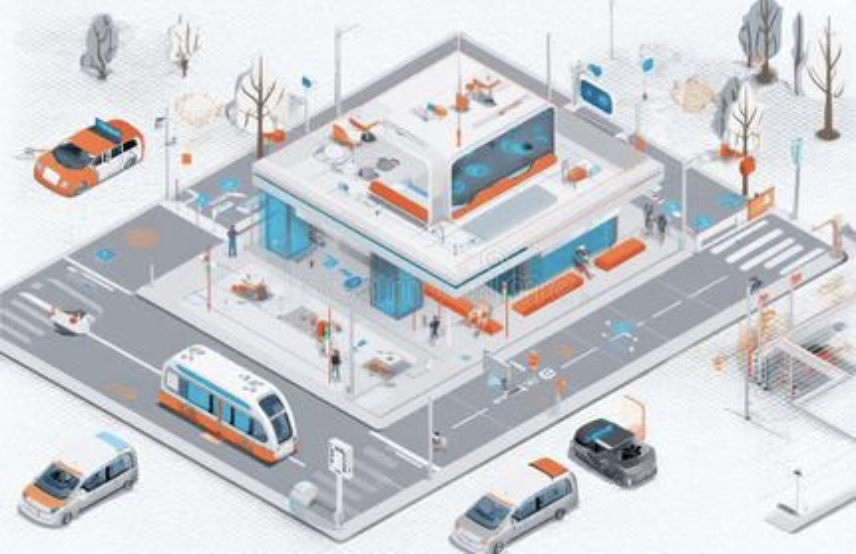
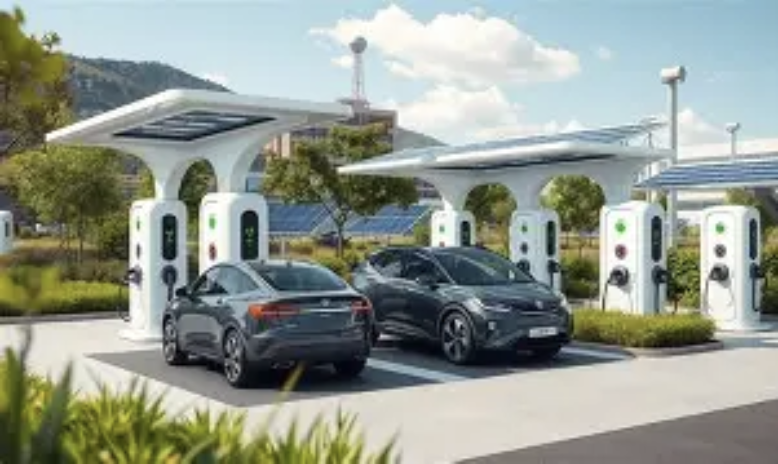
The advancement of electric mobility centers on infrastructure rather than the vehicles themselves. A hospitality firm is placing private charging points at its upscale resorts, including valet services that charge clients' cars while they enjoy meals. Another company is constructing "charging villas"—modern buildings with lounges and workspaces—along key highways. These enterprises do not manufacture electric vehicles but address the primary challenge for affluent electric vehicle owners: fear of running out of charge. By converting the charging process into a luxurious offering, they are establishing a lucrative market segment.
Conventional car manufacturers are racing to keep pace, yet the ultimate players will be those who recognize that luxury mobility revolves around service, rather than mere metal. For affluent consumers, the automobile serves merely as a platform—the genuine worth lies in the accompanying experiences, information, and networks it offers. In the evolving automotive landscape, the most influential entities will not necessarily be those assembling vehicles but those innovating the very concept of transportation.
(Writer:Weink)
Related Articles