Phone Cameras Are Great, But Cameras Still Matter
advertisement
Smartphone cameras have transformed from a mere curiosity to tools that rival professional equipment, incorporating several lenses, artificial intelligence for editing, and advanced processing right in our pockets. As smartphones take beautiful photos with such ease, one might question the need for a separate camera. For those passionate about photography and skilled artists, the distinction is made clear by the finer details of control, artistic flexibility, and image richness that smartphones cannot imitate. Let’s delve into the reasons why traditional cameras remain invaluable.
Sensor Size: The Physics of Image Quality
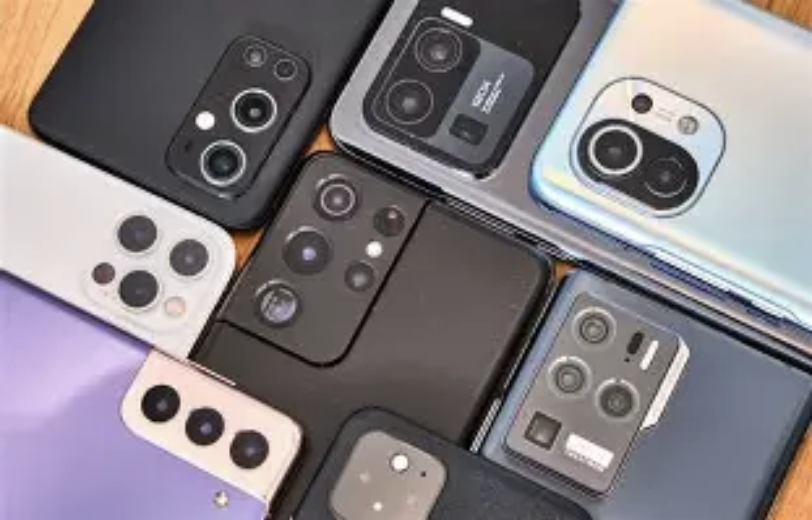
Phone sensors are very small— even the most advanced ones fit snugly within the slim design of a device. In contrast, dedicated cameras feature sensors that are 10 to 100 times larger. This increased size facilitates better light absorption, a wider dynamic range, and enhanced detail in dim conditions. For example, a full-frame camera can capture nighttime images with little noise while retaining details in both shadows and highlights, whereas mobile phones often depend on artificial intelligence to ”fill in” missing details, frequently compromising on delicate textures. For those who seek authentic image reproduction, the size of the sensor is essential.
Optical Versatility: Lenses Beyond Computational Tricks
Mobile devices utilize digital zoom and multiple lens arrangements, but dedicated cameras feature interchangeable lenses that deliver genuine optical quality. A telephoto lens with a focal length of 200mm on a camera provides clarity for distant objects that digital zoom on phones cannot achieve, while a wide-angle lens with an f/2.8 aperture produces stunning depth of field. Lenses serve as instruments for creativity—consider macro lenses for capturing insects or tilt-shift lenses for creating miniature effects—capabilities that smartphones can only mimic.

Manual Control: Mastery Over Every Shot
Mobile phones manage most adjustments automatically, but cameras empower the photographer with creative freedom. The manual mode allows settings such as shutter speed, aperture, and ISO to be modified separately, making it possible to create long exposures for smooth waterfall effects or light trails, or a shallow depth of field that enhances portraits by emphasizing subjects. Professional cameras also include features like bracketing (capturing several exposures) and shooting raw files, which retain all image data for post-production—vital for adjusting colors and tones.
Cameras are constructed specifically for photography, featuring grips that are comfortable to hold, physical controls for swift adjustments, and viewfinders that assist in composing images under bright light. This ergonomic design means extended photography sessions are more comfortable and natural. Picture photographing a wedding or on a wildlife adventure: the tactile controls of a camera allow for quick reactions, while navigating phone screens and menus can lead to missing the ideal shot.
Video Capabilities: Beyond Social Media Clips
Although phones can record impressive 4K video, cameras shine with their professional video features. Numerous models offer 8K recording, logarithmic color profiles (allowing for more editing options), and ports for external microphones and monitors to enhance audio quality and framing. Hybrid cameras even accommodate cinematic functions such as varied frame rates for slow-motion or time-lapse effects. For creators or anyone aiming to produce superior video, cameras remain the benchmark.
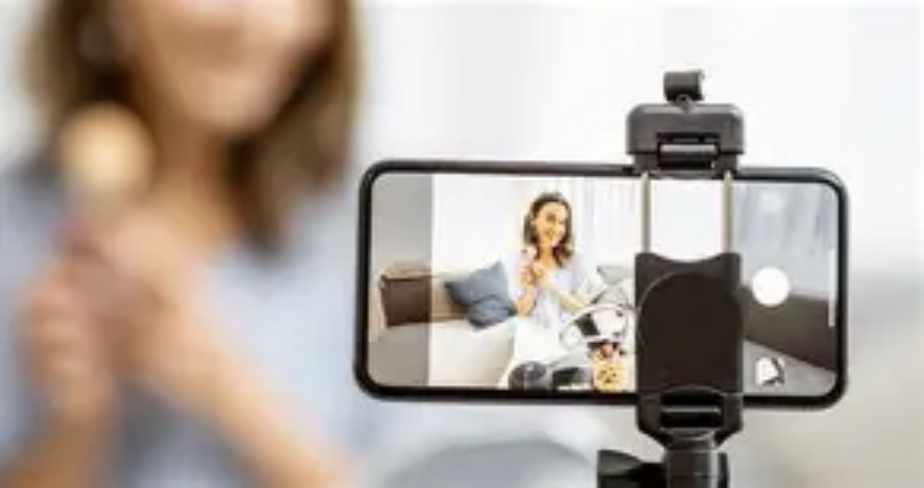
Using a camera necessitates a level of intention. Unlike quickly seizing your phone for a snapshot, picking up a camera indicates a choice to engage thoughtfully with your subject—elements like composition, lighting, and perspective become conscious decisions. This focus transforms photography from a routine activity into an artistic expression. For many individuals, the process of operating a camera—adjusting settings, switching out lenses, and immersing in the moment—offers satisfaction that rivals the joy of the final image.
(Writer:Ciki)
Related Articles